The Secrets Hidden in the Clouds of Jupiter: Unlocking the Gas Giant’s Atmospheric Mysteries
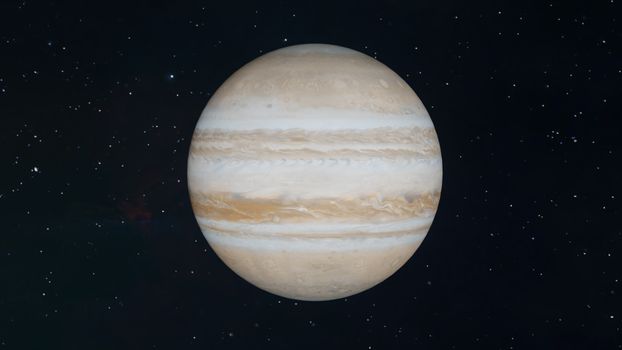
Jupiter, the largest planet in our solar system, has fascinated astronomers and dreamers alike for centuries. Its swirling, striped clouds create an ever-changing tapestry visible even through small backyard telescopes. But beneath this dazzling exterior lies a world of secrets, many of which are only now coming to light thanks to technological advances and daring space missions. The clouds of Jupiter are much more than a colorful veil—they are the key to understanding the planet’s composition, weather, and even the history of our solar system. Let’s embark on a journey through the clouds of Jupiter to uncover the hidden secrets lurking within their depths.
The Complex Chemistry of Jupiter’s Clouds
Jupiter’s clouds may appear simple from afar, but up close, they reveal a complex and dynamic chemical composition. Unlike Earth’s clouds, which are composed mostly of water vapor, Jupiter’s are made up of multiple layers of different chemicals.
.png)
The uppermost clouds are formed primarily of ammonia ice crystals. Beneath these, scientists believe there is a second layer composed of ammonium hydrosulfide (NH4SH) and, deeper still, a layer of water clouds—though no spacecraft has yet directly observed these water clouds. The presence of these layers has been inferred from spectral analysis and atmospheric models.
Some key facts about Jupiter’s cloud composition:
- The ammonia clouds sit at pressures around 0.7 bars and temperatures of approximately -145°C (-230°F). - The ammonium hydrosulfide layer is believed to exist at pressures near 2 bars and temperatures around -100°C (-148°F). - Water clouds, if present, would be found at pressures exceeding 5 bars and temperatures above 0°C (32°F).This multi-layered structure is unique among the planets in our solar system and provides valuable clues about the processes that shaped Jupiter and its place in the solar neighborhood.
Colorful Bands and The Great Red Spot: Windows Into Atmospheric Turbulence
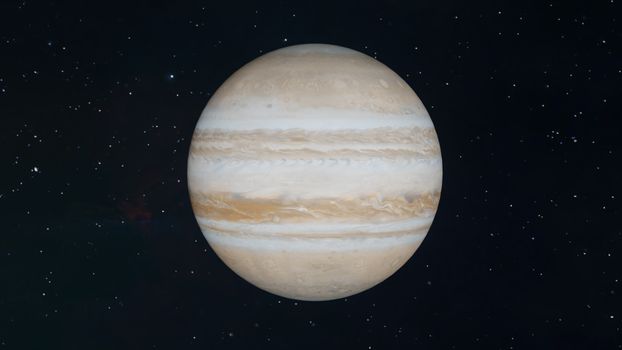
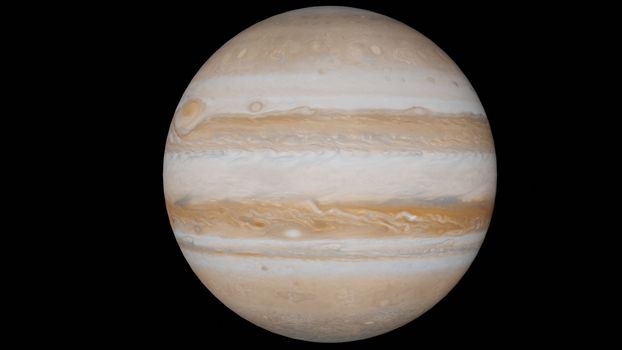
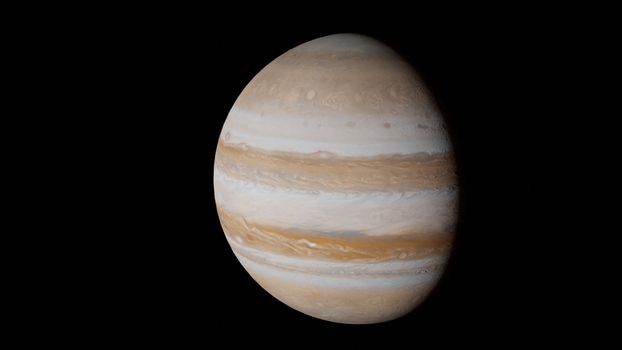
The most striking feature of Jupiter’s clouds is their bold, multicolored bands—alternating zones of lighter and darker hues, encircling the planet parallel to its equator. These bands are not just for show; they are the result of powerful jet streams and complex atmospheric dynamics.
The lighter bands, called "zones," are regions of rising air, while the darker "belts" are areas where air is sinking. These opposing flows create wind speeds of up to 400 kilometers per hour (about 250 miles per hour), making Jupiter’s atmosphere one of the most turbulent in the solar system.
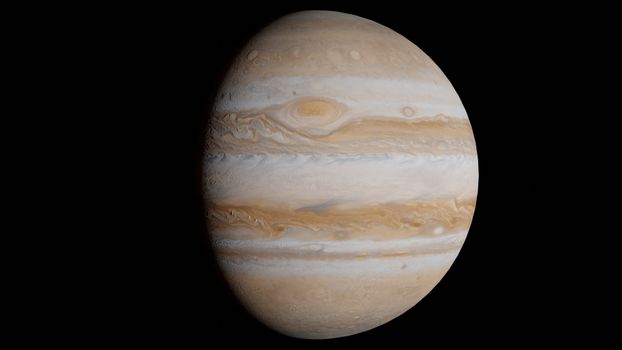
Among these bands is Jupiter’s most famous feature: the Great Red Spot. This gigantic storm has raged for at least 350 years and is large enough to swallow Earth whole—measuring roughly 16,000 kilometers (10,000 miles) across in recent years, though it has been shrinking.
Recent observations suggest that the Red Spot’s color may be due to complex chemical reactions between solar ultraviolet light and compounds like ammonia and acetylene, producing reddish-colored molecules called chromophores. These processes are still not fully understood, and each new data set brings fresh surprises.
Probing the Depths: What Lies Beneath Jupiter’s Cloud Tops?
While telescopic and spacecraft imaging has revealed much about the upper layers of Jupiter’s clouds, what lies beneath remains one of planetary science’s greatest mysteries.
The Juno spacecraft, launched by NASA in 2011, has been instrumental in peering below the cloud tops using a suite of scientific instruments. Juno’s microwave radiometer can penetrate deep into the atmosphere, providing a three-dimensional view of Jupiter’s cloud structure and revealing that the weather systems extend much deeper than previously believed—hundreds of kilometers down.
Key discoveries from Juno include:
- Jupiter’s storms and jet streams can reach depths of up to 3,000 kilometers (nearly 2,000 miles). - The planet’s atmosphere contains more water than previously thought—about 0.25 percent by mass, compared to Earth’s 0.05 percent. - The famous belts and zones extend deep into the planet, not just at the surface, suggesting powerful internal forces at work.These findings have upended earlier theories that Jupiter’s weather was a shallow phenomenon and indicate that the gas giant’s clouds are just the visible part of a massive, churning system.
Lightning, Auroras, and Hidden Heat: The Energy Sources Fueling Jupiter’s Clouds
Jupiter’s clouds are not just passive blankets of gas—they are the stage for some of the most energetic phenomena in the solar system. Lightning storms on Jupiter are up to three times more powerful than those on Earth and can illuminate the cloud tops with bursts visible to spacecraft orbiting hundreds of thousands of kilometers away.
One of the surprising discoveries from the Juno mission is that lightning occurs most frequently near Jupiter’s poles, whereas on Earth, it’s more common near the equator. Scientists believe this is due to differences in how heat is transported within the planet’s atmosphere.
Jupiter also boasts spectacular auroras—dazzling light shows near its poles caused by charged particles from the planet’s immense magnetic field slamming into its upper atmosphere. These auroras are hundreds of times more energetic than those on Earth and offer clues about the interactions between Jupiter’s atmosphere and its powerful magnetosphere.
Another hidden secret is that Jupiter radiates more heat than it receives from the Sun. In fact, the planet emits about 1.6 times as much energy as it absorbs. This internal heat helps drive the powerful atmospheric dynamics, including the formation of clouds and storms.
Comparing Jupiter’s Clouds to Other Planets
To truly appreciate the uniqueness of Jupiter’s clouds, it helps to compare them to those of other planets in our solar system. The table below summarizes key differences:
| Planet | Main Cloud Composition | Cloud Layer Structure | Major Weather Features |
|---|---|---|---|
| Jupiter | Ammonia, ammonium hydrosulfide, water | Multiple layers (ammonia, NH4SH, water) | Great Red Spot, banded jet streams, powerful lightning |
| Saturn | Ammonia, ammonium hydrosulfide, water | Similar to Jupiter, but different proportions | Hexagon at north pole, less persistent storms |
| Earth | Water vapor | Single main layer, some high cirrus clouds | Hurricanes, thunderstorms, jet streams |
| Venus | Sulfuric acid | Thick, global cloud deck | Super-rotating winds, lightning |
This comparison highlights how Jupiter’s clouds are both similar to and distinct from those of other giant planets, while being fundamentally different from terrestrial cloud systems.
The Search for Life: Could the Clouds of Jupiter Harbor Microbes?
One of the most tantalizing questions about Jupiter’s clouds is whether they could provide a habitat for life. While the planet’s crushing pressures and chilly temperatures make its deep atmosphere uninhabitable by Earth standards, some scientists have speculated that the upper cloud layers—where conditions are relatively mild—might offer refuge for extremophile microbes.
In 1976, astronomer Carl Sagan and biologist Edwin Salpeter proposed that ammonia-based life forms might float in Jupiter’s upper atmosphere, surviving by consuming chemicals and energy in the clouds. While no evidence for such life has been found, the concept has influenced the search for extraterrestrial habitats, especially on similar gas giants in other solar systems (exoplanets).
Current and future missions, like ESA’s JUICE (Jupiter Icy Moons Explorer), are expected to investigate Jupiter’s environment further, not just for signs of life but also to better understand the chemistry and dynamics of its mysterious clouds.
Unlocking the Legacy of Jupiter’s Clouds
Decades of observation and exploration have shown that Jupiter’s clouds are more than just a beautiful spectacle—they are a dynamic, multilayered system brimming with scientific secrets. From their unique chemistry and turbulent weather to their role in driving the planet’s energy balance, these clouds offer a window into the processes that have shaped not only Jupiter but also the broader solar system.
Every new discovery, from Juno’s deep probes to the detection of powerful lightning and auroras, adds another piece to the puzzle. As technology advances and new missions take flight, the secrets of Jupiter’s clouds will continue to inspire awe and deepen our understanding of the universe’s most majestic gas giant.