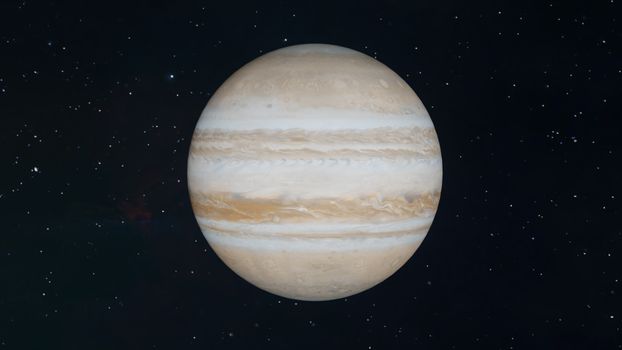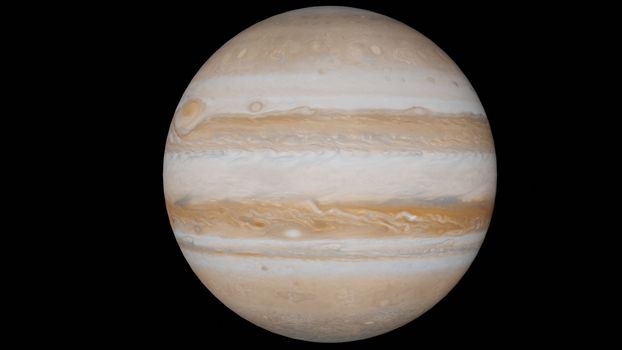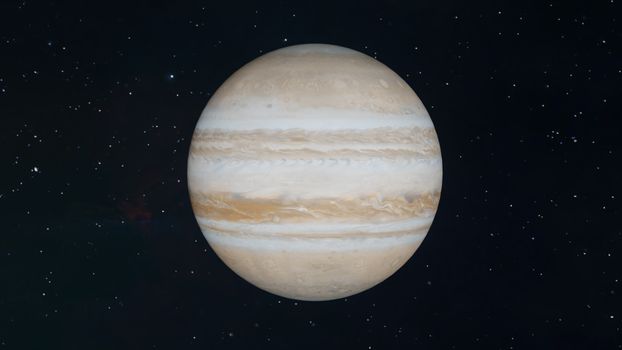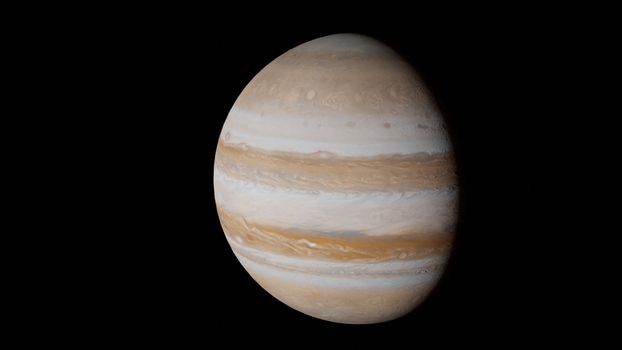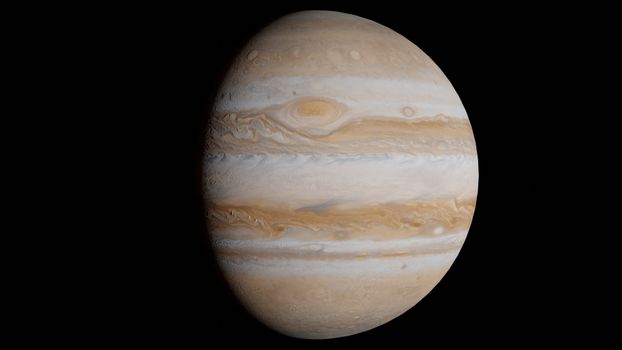
Jupiter’s atmosphere is one of the most captivating and complex features in our solar system. As the largest planet, Jupiter’s swirling clouds and colorful bands have mesmerized astronomers for centuries. But what exactly makes up this colossal atmosphere, and how do its ingredients shape the planet’s dramatic climate? Understanding the main components of Jupiter’s atmosphere is crucial for unraveling the planet’s dynamic weather systems, iconic storms like the Great Red Spot, and its role in the solar system.
In this article, we’ll dive deep into the key gases and particles that form Jupiter’s atmosphere, explore how each component influences the planet’s climate, and examine how Jupiter’s atmospheric makeup compares to that of Earth. Whether you’re a space enthusiast or a curious mind, join us as we uncover the secrets swirling within Jupiter’s immense atmosphere.
The Main Ingredients: What Jupiter’s Atmosphere Is Made Of
Jupiter’s atmosphere is primarily composed of just two elements: hydrogen and helium. However, a variety of trace gases and compounds add complexity, colors, and chemistry to the mix.
.png)
According to data from spacecraft such as Galileo, Juno, and Voyager, the typical composition of Jupiter’s atmosphere by volume is:
- Hydrogen (H₂): about 89.8% - Helium (He): about 10.2% - Methane (CH₄): 0.3% - Ammonia (NH₃): 0.026% - Water vapor (H₂O): variable, but typically less than 0.1% - Trace amounts of ethane (C₂H₆), phosphine (PH₃), hydrogen sulfide (H₂S), and other compoundsThis composition makes Jupiter’s atmosphere quite different from Earth’s, which is dominated by nitrogen and oxygen. The abundance of hydrogen and helium on Jupiter is similar to the primordial makeup of the solar nebula—the ancient cloud from which the solar system formed. This gives scientists important clues about the planet’s origins and evolution.
Hydrogen and Helium: The Foundation of Jupiter’s Climate
Hydrogen and helium, the lightest and most abundant elements in the universe, form the backbone of Jupiter’s atmosphere. Their presence shapes almost every aspect of Jupiter’s climate and weather.
Hydrogen exists both as molecular hydrogen (H₂) and in ionic forms deeper within the atmosphere. Because hydrogen is so light, it creates a very low-density atmosphere. Helium, the second most abundant component, is similarly inert and light. Together, these gases allow Jupiter’s atmosphere to extend thousands of kilometers above the planet’s core, making it the largest planetary atmosphere in the solar system.
The dominance of hydrogen and helium has several key impacts on Jupiter’s climate:
- $1: With no solid surface, Jupiter’s atmosphere gradually transitions into the planet’s fluid interior. The low density and high pressures create distinct cloud layers, each with unique temperatures and chemical compositions. - $1: The composition allows for rapid heat transfer, driving powerful jet streams and storms. Winds in Jupiter’s atmosphere can reach over 400 mph (644 km/h), far surpassing anything seen on Earth. - $1: Jupiter emits about 1.6 times more energy than it receives from the Sun, due in part to the insulating properties of its thick, hydrogen-rich atmosphere and residual heat from its formation.The Role of Methane, Ammonia, and Water Vapor
While hydrogen and helium form the base, it’s the trace gases—methane, ammonia, and water vapor—that add color, chemistry, and intrigue to Jupiter’s atmosphere.
- $1: Present in small quantities, methane absorbs red light, giving Jupiter’s clouds their distinctive hues when sunlight interacts with the gases. Methane is also a key player in the formation of complex organic molecules within the upper atmosphere. - $1: Ammonia forms icy clouds in the upper atmosphere, responsible for the planet’s white and pale-colored bands. Ammonia ice crystals can also combine with other compounds to form colorful aerosols, contributing to the planet’s dramatic appearance. - $1: Water is less abundant, but it plays a crucial role in the deep atmosphere where higher pressures and temperatures allow for water clouds to form. These deep clouds are believed to be regions of intense lightning and storm activity. In fact, Jupiter’s lightning bolts can be up to 10 times more powerful than those on Earth.The interplay of these components leads to the formation of three main cloud layers, each at different altitudes and temperatures:
1. Ammonia ice clouds (top layer, around -145°C) 2. Ammonium hydrosulfide clouds (middle layer, around -110°C) 3. Water ice and vapor clouds (deepest layer, around -50°C)Dynamic Weather Patterns Driven by Atmospheric Components
Jupiter’s atmosphere is a hotbed of dynamic weather and turbulent phenomena, all influenced by its unique blend of gases and cloud layers.
The most iconic feature—Jupiter’s Great Red Spot—is a colossal storm twice as wide as Earth and at least 350 years old. The persistence and color of this storm are directly tied to the chemical components in the atmosphere. Scientists believe that the reddish tinge may result from complex reactions between ammonia and other chemicals, possibly driven by ultraviolet radiation from the Sun.
Jet streams and banded cloud patterns are another hallmark of Jupiter’s climate. The planet has at least 12 jet streams in each hemisphere, creating alternating bands of light and dark clouds called zones and belts. These bands are the result of powerful winds that can exceed 400 mph (644 km/h), driven by rapid planetary rotation (Jupiter’s day is just under 10 hours) and the thermal gradients set up by variations in atmospheric composition.
Storms on Jupiter can be immense. In 2017, NASA’s Juno spacecraft observed clusters of cyclones at both poles, each thousands of kilometers across. The composition of the atmosphere—including trace gases and cloud-forming compounds—determines the structure, intensity, and longevity of these storms.
Comparing Jupiter’s Atmospheric Composition to Earth’s
Jupiter’s atmosphere is fundamentally different from Earth’s, not just in its primary ingredients but in its overall structure and behavior. To highlight these differences, here’s a comparative overview:
| Component | Jupiter (by volume) | Earth (by volume) |
|---|---|---|
| Hydrogen (H₂) | 89.8% | ~0% |
| Helium (He) | 10.2% | ~0.0005% |
| Nitrogen (N₂) | Trace | 78.1% |
| Oxygen (O₂) | Trace | 20.9% |
| Methane (CH₄) | 0.3% | ~0.0002% |
| Ammonia (NH₃) | 0.026% | Trace |
| Water vapor (H₂O) | <0.1% (variable) | 0-4% (variable) |
This table illustrates why Jupiter’s climate is so different from Earth’s. The lack of oxygen and nitrogen, combined with the dominance of light gases, means Jupiter’s weather systems are more extreme, its clouds form at different temperatures and pressures, and its overall climate is far more volatile.
Impact of Atmospheric Composition on Jupiter’s Climate and Weather
The unique blend of gases in Jupiter’s atmosphere has several profound effects on the planet’s climate:
1. $1: The abundance of hydrogen, coupled with trace amounts of water vapor and ammonia, allows for the buildup of enormous electrical charges. Jupiter’s lightning storms are among the most powerful in the solar system, with bolts up to 10 times stronger than those on Earth. 2. $1: Differences in chemical composition and temperature create visible bands and zones. The light-colored zones are regions of rising air and ammonia ice clouds, while the darker belts are areas where air descends and deeper, warmer clouds are visible. 3. $1: Unlike Earth, Jupiter’s thick atmosphere and lack of a solid surface mean storms can persist for centuries. The Great Red Spot is the most famous example, but many other storms last for years or even decades. 4. $1: Despite being over 778 million kilometers (about 484 million miles) from the Sun, Jupiter’s atmosphere exhibits dramatic temperature differences. The upper cloud tops can be as cold as -145°C, while deeper layers reach much higher temperatures due to pressure and internal heat. 5. $1: Jupiter’s fast rotation (a day lasts just under 10 hours) creates strong Coriolis forces, leading to fierce jet streams and the formation of large, stable weather patterns.How Jupiter’s Atmosphere Shapes Its Role in the Solar System
Jupiter’s atmospheric properties not only define its climate but also its influence on the broader solar system. The planet’s thick, hydrogen-rich envelope creates a massive magnetic field—20,000 times stronger than Earth’s—which traps charged particles and produces intense radiation belts. These belts contribute to Jupiter’s spectacular auroras and offer a unique laboratory for studying planetary magnetospheres.
Additionally, Jupiter’s volatile atmosphere and powerful weather systems serve as a shield for the inner solar system. The planet’s gravity and atmospheric drag help capture or deflect comets and asteroids, reducing the likelihood of impacts on Earth and other planets.
Jupiter’s atmospheric composition also acts as a time capsule. Because its main components are similar to those of the early solar nebula, studying Jupiter helps scientists understand the processes that shaped the entire solar system.
Final Reflections on Jupiter’s Atmospheric Components and Climate
Jupiter’s atmosphere is a vast, dynamic system dominated by hydrogen and helium, with layers of ammonia, methane, and water vapor adding complexity and color. These components drive the planet’s fierce storms, persistent jet streams, and iconic bands, making Jupiter’s climate one of the most extreme and enduring in the solar system.
Understanding the main components of Jupiter’s atmosphere is not just about unraveling the mysteries of the gas giant itself—it’s about gaining insights into planetary formation, climate dynamics, and the history of our solar system. As ongoing missions like NASA’s Juno continue to probe beneath Jupiter’s clouds, we can expect even more discoveries about how these atmospheric ingredients combine to create one of the most remarkable worlds in our cosmic neighborhood.