Jupiter, the solar system’s largest planet, is a world defined by extremes. Its turbulent, multi-colored clouds, gigantic storms, and powerful jet streams have fascinated scientists and the public alike for centuries. At the heart of these awe-inspiring atmospheric phenomena lies a complex interplay of temperature, composition, and, crucially, atmospheric pressure. While Jupiter is known for its immense surface pressure compared to Earth, the concept of “low pressure” within its atmosphere is a relative one—referring to the upper layers or local pressure drops within massive weather systems. But what are the consequences of these low-pressure regions on Jupiter, and how do they shape the planet’s dynamic atmospheric displays?
This article explores how low pressure on Jupiter drives its atmospheric phenomena, examining the science behind these effects, the distinctive features that arise, and the ways these processes differ from those on Earth and other planets.
The Nature of Atmospheric Pressure on Jupiter
To understand the impact of low pressure on Jupiter’s atmospheric phenomena, it’s essential to first grasp what “pressure” means in the context of a gas giant. On Jupiter, atmospheric pressure changes dramatically with altitude. At the cloud tops—what we see in telescopic images—the pressure is roughly 1 bar, similar to Earth’s sea level. However, as you descend deeper, the pressure increases rapidly, reaching millions of times Earth’s atmospheric pressure at the planet’s core.
.png)
Low-pressure regions on Jupiter typically exist in the upper layers of the atmosphere or within cyclonic storm systems. These are areas where the force exerted by the overlying gas is less than in surrounding regions. Unlike on Earth, where low pressure often leads to rain or storms due to water vapor condensation, Jupiter’s low-pressure systems operate in an environment dominated by hydrogen, helium, and trace gases like ammonia, methane, and water vapor.
Key facts: - Pressure at Jupiter’s visible cloud tops: ~1 bar (similar to Earth) - Pressure at 100 km below the cloud tops: ~10 bars - Estimated core pressure: 30–100 million barsThese variations create an environment where atmospheric phenomena are not only possible but far more intense and complex than anything found on Earth.
How Low Pressure Drives Jupiter’s Iconic Storms and Vortices
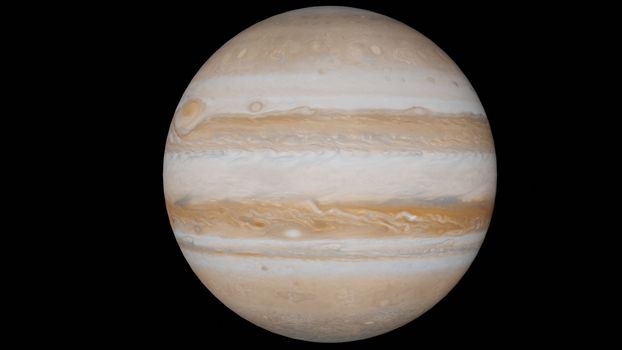
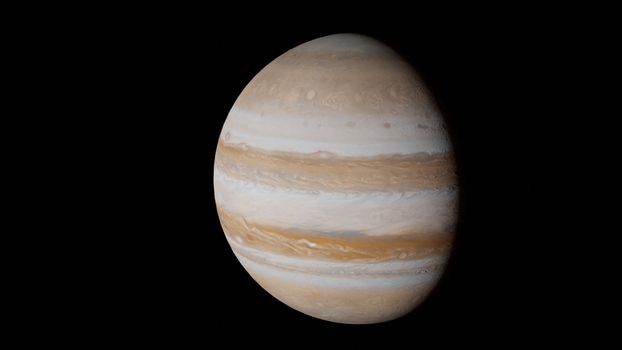
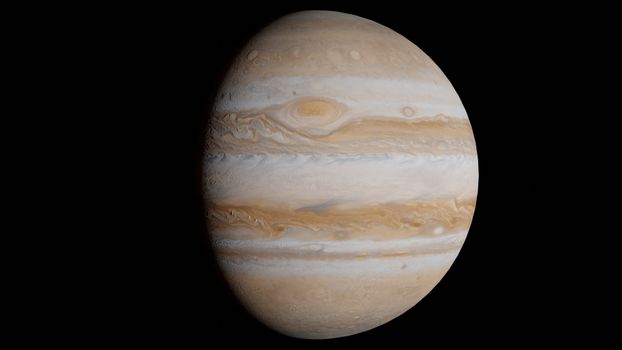
Jupiter’s atmosphere is home to some of the most powerful storms in the solar system. The most famous of these is the Great Red Spot, a giant anticyclonic storm that has raged for at least 350 years. While this storm is technically a high-pressure system, its existence and longevity are influenced by the surrounding belts and zones of lower pressure.
Low-pressure areas on Jupiter are typically associated with cyclonic activity. These regions act as the engine rooms of atmospheric motion, drawing in surrounding gases and fueling the development of vortices and storm systems. When local pressure drops, gases from higher-pressure areas rush in, creating powerful winds that can exceed 600 kilometers per hour (373 mph).
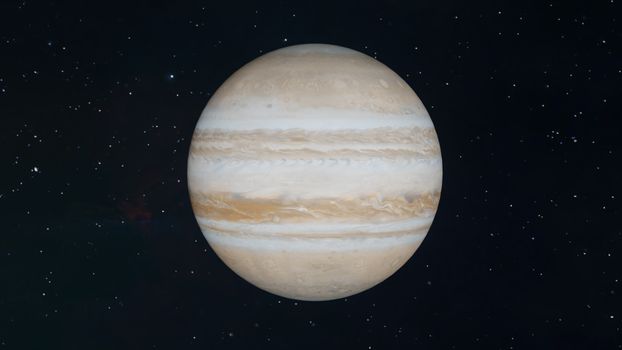
In addition, these low-pressure regions help organize Jupiter’s banded appearance. The alternating light-colored zones and dark belts are linked to upwelling (low pressure) and downwelling (high pressure) air patterns, respectively. In zones, low pressure causes gases to rise, cool, and condense, forming ammonia clouds. In belts, higher pressure pushes air downward, warming it and dispersing clouds.
Examples: - Great Red Spot: Surrounded by turbulent, lower-pressure jet streams that contribute to its stability. - Oval BA (“Red Spot Junior”): Formed from the merging of smaller low-pressure storms, highlighting the role of low pressure in creating new atmospheric features.Temperature, Chemistry, and Cloud Formation in Low-Pressure Systems
Low-pressure regions on Jupiter don’t just create wind—they also influence the chemical makeup and appearance of the planet’s clouds. As gas rises in a low-pressure area, it expands and cools. This cooling can cause different chemical species to condense into clouds at various altitudes, depending on their condensation points.
Jupiter’s upper atmosphere is cold, with temperatures dropping below -145°C (-230°F) near the cloud tops. In low-pressure zones, the rise and cooling of gases lead to the formation of clouds made of ammonia ice, ammonium hydrosulfide, and water. The color and thickness of these clouds depend on both the depth of the low-pressure system and the composition of rising gases.
For example, the distinctive white clouds in Jupiter’s zones are primarily ammonia ice, while the browner clouds in the belts may contain more sulfur compounds or complex organic molecules formed by ultraviolet radiation. The upwelling caused by low pressure also brings deeper, darker material to the surface, contributing to Jupiter’s colorful and ever-changing appearance.
Key statistics: - Ammonia cloud formation altitude: ~50 km above the 1-bar level - Water cloud formation: deeper, around 5–7 bars of pressure - Temperatures at cloud top: ~-145°CComparing Low Pressure on Jupiter and Earth
The consequences of low-pressure systems on Jupiter are both similar to and starkly different from those on Earth. Both planets experience cyclonic storms, jet streams, and cloud formation as a result of pressure differences. However, the scale, energy, and materials involved differ greatly.
Below is a comparison table outlining key differences between low-pressure systems on Jupiter and Earth:
| Feature | Jupiter | Earth |
|---|---|---|
| Atmospheric Composition | Hydrogen (90%), Helium (10%), Ammonia, Methane, Water vapor | Nitrogen (78%), Oxygen (21%), Argon, CO2, Water vapor |
| Typical Wind Speeds in Storms | Up to 600 km/h (373 mph) | Up to 300 km/h (186 mph) in hurricanes |
| Storm Longevity | Centuries (e.g., Great Red Spot) | Days to weeks (e.g., hurricanes) |
| Cloud Composition | Ammonia ice, ammonium hydrosulfide, water ice | Water droplets/ice |
| Typical Low Pressure at Clouds | ~1 bar | ~1 bar (sea level standard) |
| Energy Source | Primarily internal heat, some solar | Solar energy |
This comparison highlights how Jupiter’s low-pressure systems operate on a much larger scale, involve exotic chemistry, and are fueled largely by the planet’s internal heat rather than sunlight.
Low Pressure and Jupiter’s Jet Streams: The Engines of Atmospheric Motion
One of the most striking features of Jupiter’s atmosphere is its system of high-speed jet streams, which separate the planet’s colorful belts and zones. These jet streams are driven by differences in temperature and pressure between neighboring bands.
Low-pressure systems are integral to this process. In areas of lower pressure, rising air cools and creates cloud bands, while adjacent high-pressure areas see descending, warming air, leading to clearer regions. The boundaries between these bands are where jet streams form, with wind speeds that dwarf those found in Earth’s jet streams.
Jupiter boasts at least 12 prominent jet streams (6 in each hemisphere), with some reaching speeds of over 400 km/h (250 mph). The interaction between low-pressure upwelling and high-pressure downwelling not only maintains these powerful jets but also allows for the formation of turbulent features such as eddies, filaments, and smaller storms.
Key fact: The banded structure of Jupiter, a direct result of these jet streams and pressure differences, is visible even through amateur telescopes from Earth—a testament to the magnitude of these phenomena.
The Role of Low Pressure in Atmospheric Dynamics and Energy Transport
Low-pressure systems on Jupiter do more than create storms and clouds; they play a critical part in the planet’s energy balance and atmospheric circulation. Jupiter emits nearly twice as much energy as it receives from the Sun, due to residual heat left over from its formation and ongoing slow gravitational contraction.
This internal heat is transported upwards through convection—warm gas rises in low-pressure regions, carrying energy toward the upper atmosphere. As these gases rise and cool, they lose energy to space, helping to regulate Jupiter’s overall temperature.
Recent studies using data from NASA’s Juno spacecraft have revealed that these convective, low-pressure updrafts can extend hundreds of kilometers deep into Jupiter’s atmosphere. This deep-reaching convection is a major driver of the planet’s weather and helps sustain its dramatic atmospheric features over time.
Key discoveries: - Jupiter’s atmosphere is far more dynamic and “weathered” by internal processes than previously thought. - Low-pressure-driven convection may explain the longevity and intensity of features like the Great Red Spot.Final Thoughts: Low Pressure as the Sculptor of Jupiter’s Atmospheric Wonders
The consequences of low pressure on Jupiter are profound and far-reaching. From fueling immense storms and shaping cloud bands to driving powerful jet streams and transporting heat from the planet’s depths, low-pressure systems are at the heart of Jupiter’s turbulent beauty. Unlike Earth, where low pressure is often a harbinger of fleeting weather events, on Jupiter, these phenomena are colossal, enduring, and woven into the very fabric of the planet’s atmospheric identity.
As our exploration of Jupiter continues—through telescopic observations, spacecraft flybys, and the ongoing Juno mission—we are discovering ever more about how pressure, chemistry, and heat interplay to create the giant’s spectacular and mysterious weather. Understanding these processes not only reveals the secrets of Jupiter but also enriches our knowledge of atmospheric science across the solar system and beyond.