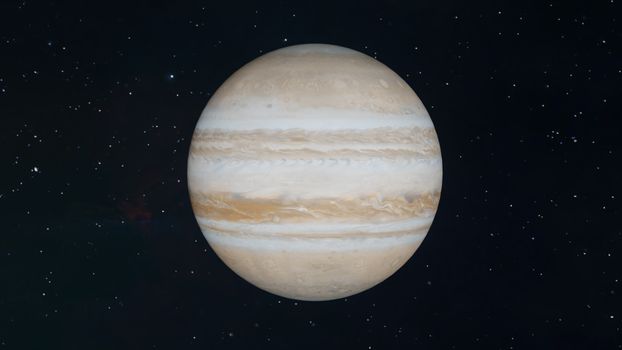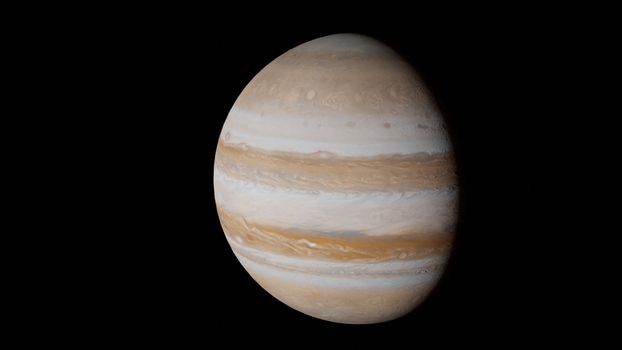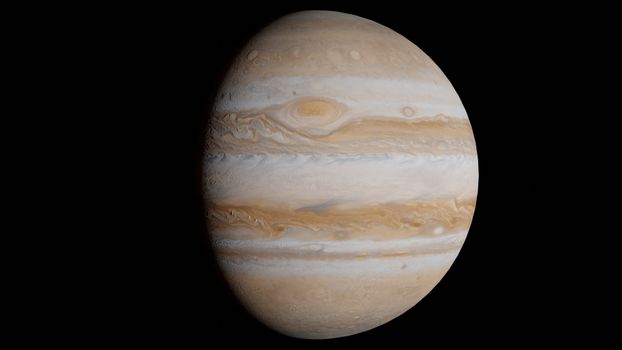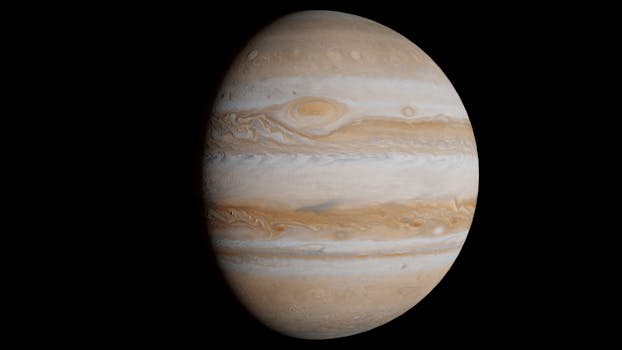
Jupiter and Earth are two worlds that could not be more different, yet both are wrapped in atmospheres that define their nature and sustain their mysteries. While Earth’s atmosphere is the cradle of life as we know it, Jupiter’s gaseous envelope is a seething, dynamic realm that holds clues to the origins of our Solar System. Understanding these atmospheric differences is not just a matter of scientific curiosity—it’s a journey into what makes planets habitable, how weather systems evolve, and why our planet is such a rare gem. Let’s dive deep into comparing the atmospheres of Jupiter and Earth, examining their composition, structure, weather phenomena, and the remarkable science behind each.
The Building Blocks: Atmospheric Composition Compared
The most immediate and fundamental difference between Jupiter and Earth’s atmospheres is their chemical makeup. Earth’s atmosphere is mostly nitrogen (N₂) at 78%, with oxygen (O₂) at 21%, and trace gases like argon, carbon dioxide, and water vapor making up the rest. The entire structure is delicately balanced to support life and regulate climate.
In contrast, Jupiter’s massive atmosphere is dominated by hydrogen (about 90%) and helium (about 10%). Trace amounts of methane, ammonia, water vapor, and other compounds add to the planet’s exotic chemistry, but crucial elements for life as we know it, like oxygen and nitrogen, are only found in minute quantities.
.png)
Here’s a side-by-side breakdown:
| Component | Earth Atmosphere (%) | Jupiter Atmosphere (%) |
|---|---|---|
| Nitrogen (N₂) | 78.08 | ~0.0 |
| Oxygen (O₂) | 20.95 | ~0.0 |
| Argon (Ar) | 0.93 | ~0.0 |
| Carbon Dioxide (CO₂) | 0.04 | Trace |
| Water Vapor (H₂O) | 0.1-4 (variable) | Trace |
| Hydrogen (H₂) | Trace | ~89.8 |
| Helium (He) | 0.0005 | ~10.2 |
| Methane (CH₄), Ammonia (NH₃), Others | Trace | Trace |
This stark contrast means that while Earth’s air is breathable and supports water-based life, Jupiter’s is a toxic, suffocating blend for any known organism.
Atmospheric Layers: Structure and Depth
Another key distinction lies in how these atmospheres are layered and how deep they run. Earth’s atmosphere is relatively thin in planetary terms: it extends only about 100 kilometers (62 miles) above the surface before merging with space. It has five major layers: the troposphere (where weather happens), stratosphere, mesosphere, thermosphere, and exosphere.
Jupiter, on the other hand, has no solid surface for its atmosphere to rest on—its gaseous envelope gradually transitions into a supercritical fluid state under immense pressure. The atmospheric “layers” on Jupiter are defined by changes in temperature, pressure, and composition rather than by physical boundaries. The visible cloud tops are only the upper skin of a vast, complex system that extends thousands of kilometers deep. The pressure at Jupiter’s “surface” (defined at 1 bar, like Earth sea level) occurs about 70 kilometers below the visible cloud tops, but the atmosphere keeps getting denser and hotter the deeper you go.
To put it in perspective:
- Earth’s atmosphere is less than 0.2% of its total radius. - Jupiter’s atmosphere makes up over 10% of its radius, and transitions seamlessly into the planet’s interior.Weather and Winds: Storms Beyond Imagination
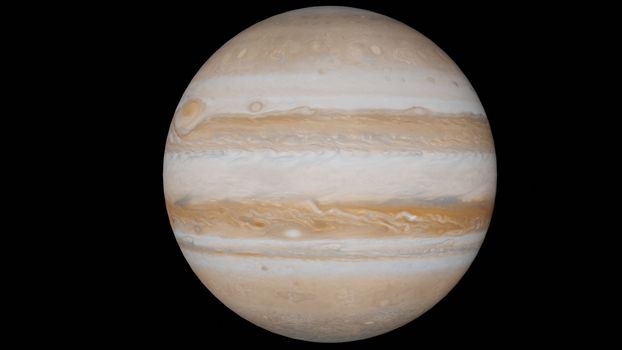
If Earth’s weather is dynamic, Jupiter’s is positively titanic. Our planet experiences hurricanes, thunderstorms, and jet streams, but these are dwarfed by Jupiter’s colossal weather systems. The most famous is the Great Red Spot—a storm larger than Earth itself, raging for at least 350 years, with winds exceeding 430 kilometers per hour (270 mph).
Earth’s jet streams move at about 160 kilometers per hour (100 mph), driving weather patterns and storm systems. Jupiter’s jet streams are far more intense, with wind speeds regularly clocking in at 360 kilometers per hour (224 mph) across alternating bands called zones (lighter) and belts (darker).
Both planets exhibit lightning, but Jupiter’s lightning strikes are up to 10 times more powerful than those on Earth, according to data from NASA’s Juno spacecraft. Remarkably, Jupiter’s poles are home to persistent cyclones arranged in geometric patterns, a phenomenon unknown on Earth.
Clouds and Colors: Visual Wonders of Gas and Vapor
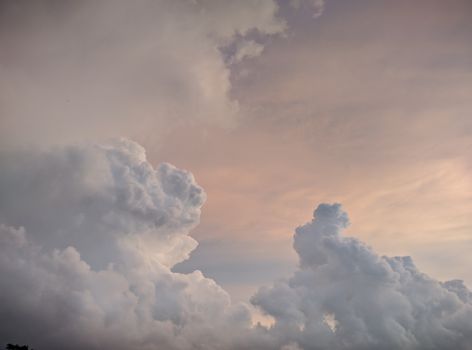
The clouds of Earth are mostly composed of water vapor, forming familiar types such as cumulus, stratus, and cirrus. These clouds reflect and scatter sunlight, creating blue skies and vibrant sunsets. Cloud heights on Earth typically range from a few hundred meters to 12 kilometers.
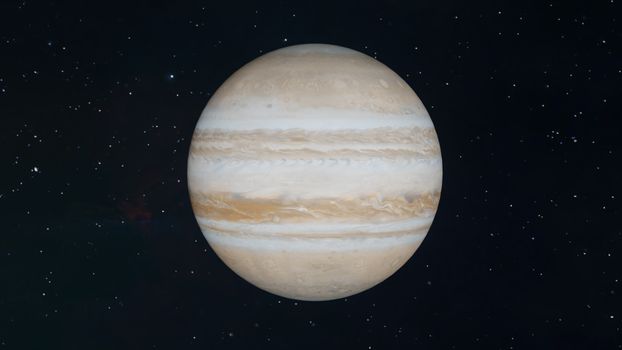
Jupiter’s clouds, however, are a tapestry of ammonia ice, ammonium hydrosulfide, and water ice. These chemicals form multi-layered cloud tops at different altitudes and temperatures:
- Ammonia clouds (highest, at -145°C / -230°F) - Ammonium hydrosulfide clouds (middle) - Water clouds (deepest, at -40°C / -40°F)The striking bands of color—creams, reds, oranges, browns—are a result of complex chemical reactions and upwelling gases, whose exact details are still being studied. These bands, along with the planet’s rapid rotation (Jupiter spins once every 9.9 hours), create the iconic striped appearance visible even through backyard telescopes.
Pressure, Temperature, and Density: Extremes on Every Scale
Pressure and temperature in Earth’s atmosphere are moderate and life-sustaining. At sea level, the pressure is 1 bar, and average global temperature is about 15°C (59°F). Temperature drops with altitude, reaching as low as -90°C (-130°F) in the mesosphere.
Jupiter’s atmospheric pressure at the cloud tops is about 0.7 bar but increases rapidly with depth. Just 100 kilometers below, pressures reach several tens of bars, and deeper still, they become thousands of times greater than on Earth’s surface. Temperatures in Jupiter’s upper atmosphere are extremely cold (as low as -145°C), but increase dramatically with depth—eventually reaching thousands of degrees Celsius near the core.
This extreme range means Jupiter’s atmosphere could crush and vaporize any Earthly probe long before reaching the planet’s center, while Earth’s thin, mild air is perfectly suited for life and exploration.
The Role of Atmospheres: Protection, Habitability, and Science
Why do these differences matter? Earth’s atmosphere is not just a shield against harmful solar and cosmic radiation; it is the medium that makes weather, climate, and life possible. The ozone layer absorbs ultraviolet radiation, while the greenhouse effect moderates temperature swings. Without this delicate balance, Earth would be as barren as Mars or Venus.
Jupiter’s thick, turbulent atmosphere is a laboratory for giant planet formation and dynamic weather. It helps trap immense internal heat, radiating more energy than the planet receives from the Sun. Studying Jupiter’s atmosphere gives scientists a window into the early Solar System’s chemistry and the processes that shape exoplanets in distant solar systems.
For example, NASA’s Juno mission has revealed that Jupiter’s deep atmospheric flows extend over 3,000 kilometers below the cloud tops—a finding that challenges older models and helps refine our understanding of gas giants everywhere.
Final Reflections: What the Jupiter-Earth Atmosphere Comparison Teaches Us
Comparing Jupiter’s and Earth’s atmospheres is not just an exercise in planetary trivia. It stretches our imagination and scientific understanding, highlighting the unique conditions that make Earth habitable and revealing the extremes possible elsewhere in the universe.
Earth’s atmosphere, with its life-giving oxygen and nitrogen, is a product of billions of years of evolution, shaped by geological and biological processes. Jupiter’s colossal, hydrogen-helium envelope is primordial—a relic from the dawn of the Solar System, and a living laboratory for planetary science.
By continuing to study and compare these atmospheres, we gain insights into climate, chemistry, and the potential for life beyond our world. Each discovery on Jupiter reminds us how special Earth truly is.