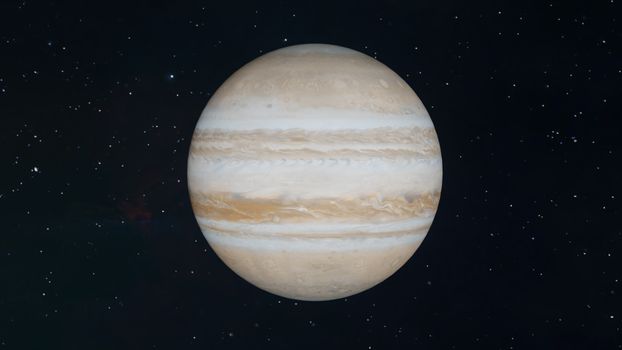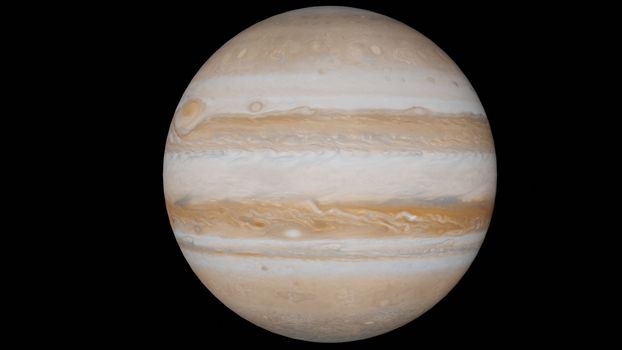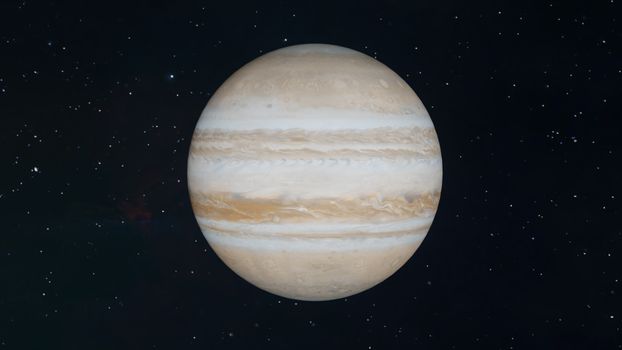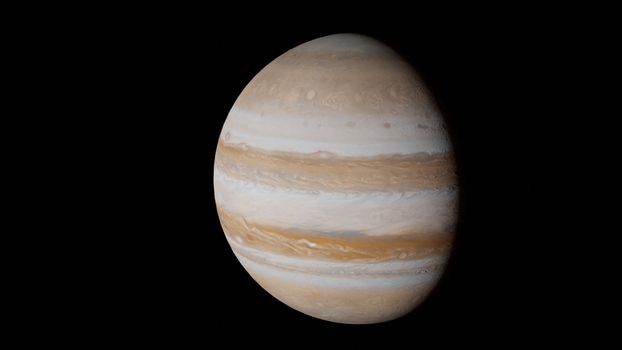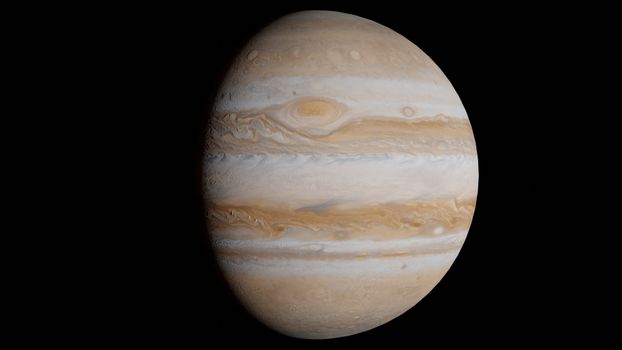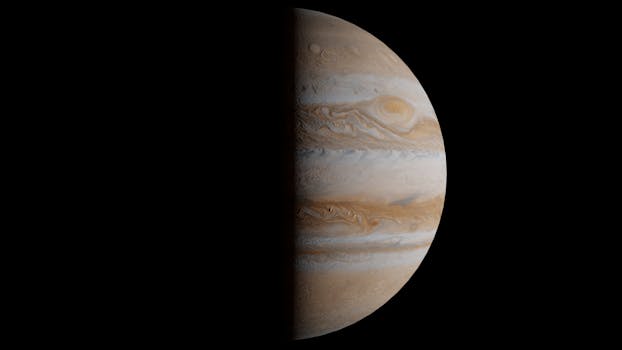
Jupiter is more than just the largest planet in our solar system; it’s also the source of the most powerful planetary magnetic field—a magnetosphere so immense that if it were visible from Earth, it would appear two to three times the size of the full moon. This invisible force field doesn’t just encase Jupiter itself; it profoundly impacts the dozens of moons that orbit the gas giant, shaping their environments and even influencing their potential for hosting life. Let’s embark on a journey to uncover how Jupiter’s mighty magnetosphere affects its moons in ways both dramatic and subtle.
Jupiter’s Magnetosphere: The Basics and Its Enormous Scale
Jupiter’s magnetosphere is a vast bubble of charged particles and magnetic fields generated by the rapid rotation of the planet and the movement of metallic hydrogen deep within its core. This magnetic field is the strongest of any planet in our solar system—measuring about 20,000 times stronger than Earth’s.
The magnetosphere stretches up to 7 million kilometers toward the Sun and trails behind Jupiter like a comet’s tail for more than 700 million kilometers, reaching as far as Saturn’s orbit. Within this magnetic bubble, charged particles—mainly electrons and ions—are trapped and whipped around at high speeds.
.png)
Such an enormous magnetosphere has unique consequences for everything within its grasp, especially Jupiter’s diverse family of moons. With more than 95 known moons, ranging from tiny asteroid-like bodies to planet-sized worlds like Ganymede and Europa, these satellites experience a dynamic and sometimes hazardous environment.
Radiation: The Harshest Gift of Jupiter’s Magnetosphere
Perhaps the most dramatic impact of Jupiter’s magnetosphere on its moons is the intense radiation environment it creates. As charged particles accelerate along magnetic field lines, they generate radiation belts far more powerful than those around Earth.
For instance, Europa—one of Jupiter’s most intriguing moons due to its subsurface ocean—receives a daily radiation dose of about 5,400 millisieverts (mSv). For comparison, a typical chest X-ray exposes a human to about 0.1 mSv, and the annual safe limit for radiation workers is 50 mSv. This means Europa’s surface receives enough radiation in a single day to be lethal to humans many times over.
Other moons, such as Io and Ganymede, also endure extreme radiation, which can alter their surfaces and atmospheres. This constant bombardment affects:
- Surface chemistry: Radiation breaks apart molecules and creates new compounds. On Europa, this may lead to the formation of oxidants that could provide energy for life in its ocean below. - Habitability: The strong radiation makes surface exploration hazardous and limits the ability of life to exist on the surface. - Technology: Future robotic or crewed missions must be heavily shielded to survive even short stays on these moons.Moons as Electrical Generators: The Io-Jupiter Connection
Beyond simply bombarding the moons with radiation, Jupiter’s magnetosphere interacts with them in more complex, electrifying ways. The most famous example is Io, Jupiter’s volcanic moon.
Io orbits within Jupiter’s strongest magnetic field zones, and as it moves through the magnetosphere, it acts like an electric generator. The motion of Io’s conductive atmosphere through the magnetic field induces electric currents—up to 3 million amperes—between Io and Jupiter. These currents travel along magnetic field lines, creating powerful auroras at Jupiter’s poles and heating Io’s interior, fueling its intense volcanic activity.
This phenomenon, known as the Io Flux Tube, is unique in our solar system and demonstrates the profound links between Jupiter’s magnetosphere and its satellites.
Comparing the Effects: How Jupiter’s Major Moons Experience the Magnetosphere
Not all of Jupiter’s moons experience the magnetosphere in the same way. Proximity to Jupiter and unique surface or subsurface features create significant differences. The four largest moons—Io, Europa, Ganymede, and Callisto, known as the Galilean moons—offer a fascinating comparison.
| Moon | Distance from Jupiter (km) | Radiation Dose (mSv/day) | Key Magnetospheric Effect |
|---|---|---|---|
| Io | 421,700 | 3,600 | Intense volcanism, strong electric currents (Io Flux Tube) |
| Europa | 671,100 | 5,400 | Surface chemistry changes, radiation-driven oxidant formation |
| Ganymede | 1,070,400 | 800 | Possesses its own magnetic field, partial shielding from Jupiter’s field |
| Callisto | 1,882,700 | 0.01 | Minimal radiation, surface less altered by magnetosphere |
This table highlights how proximity to Jupiter results in exponentially higher radiation exposure and more intense electromagnetic interactions. Ganymede is unique as the only moon in the solar system with its own magnetic field, providing it with a degree of protection.
Magnetosphere and the Search for Life: Europa and Beyond
One of the most exciting aspects of Jupiter’s magnetosphere is its indirect role in the search for extraterrestrial life. Europa is a prime candidate for hosting life due to its global subsurface ocean. While the surface is blasted by radiation, this same bombardment creates oxidants and other chemicals that may seep into the ocean below—possibly providing energy sources for simple life.
Recent measurements from the Galileo spacecraft and the Hubble Space Telescope suggest that plumes of water vapor occasionally erupt from Europa’s surface. These plumes could carry surface materials, altered by magnetospheric radiation, into the ocean, mixing essential ingredients for life.
On Ganymede, the situation is different. Its weaker radiation environment and intrinsic magnetic field may allow for more stable, less-altered surface and subsurface conditions. Callisto, meanwhile, is far enough from Jupiter to avoid most of the harsh radiation, making it another potential candidate for exploration.
Shaping the Atmospheres and Surfaces of Jupiter’s Moons
Jupiter’s magnetosphere doesn’t just affect the moons’ interiors or potential habitability; it actively shapes their atmospheres and surfaces over time.
For example: - On Io, the constant particle bombardment strips away material from its thin atmosphere, creating a torus of plasma around Jupiter. - Europa’s tenuous oxygen atmosphere is a direct result of radiation breaking apart water ice at the surface. - Ganymede’s auroras, detected by Hubble, are influenced by both Jupiter’s magnetosphere and its own magnetic field.These ongoing processes create and sustain unique surface features, from the sulfur-covered plains of Io to the cracked ice of Europa. Over millions of years, Jupiter’s magnetosphere has acted as both a sculptor and a destroyer, erasing some features while creating others.
Final Thoughts: The Magnetosphere’s Lasting Legacy on Jupiter’s Moons
Jupiter’s magnetosphere stands as one of the most powerful and dynamic forces in the solar system. Its influence reaches far beyond simply trapping charged particles; it sculpts the environments of Jupiter’s diverse moons, from the volcanic inferno of Io to the icy mysteries of Europa and Ganymede. The constant interplay between the magnetosphere and these moons drives volcanic activity, alters atmospheres, and even creates the chemical precursors that may be essential for life.
As we continue to explore the Jupiter system with missions like NASA’s Juno and the upcoming Europa Clipper and ESA’s JUICE, understanding the magnetosphere’s effects will be crucial. These discoveries will not only reveal the secrets of Jupiter’s moons but also help us understand how magnetic environments shape other worlds across the universe.