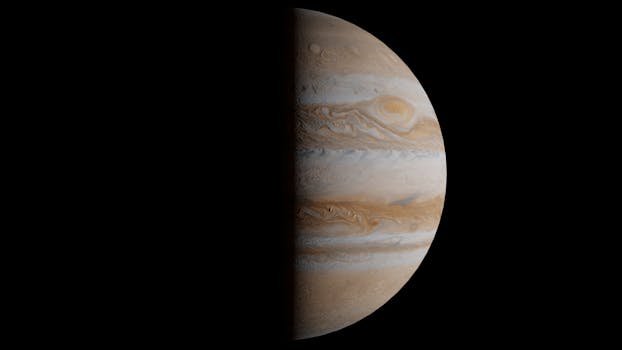
Jupiter and its Magnetosphere: How It Affects the Surrounding Space Environment
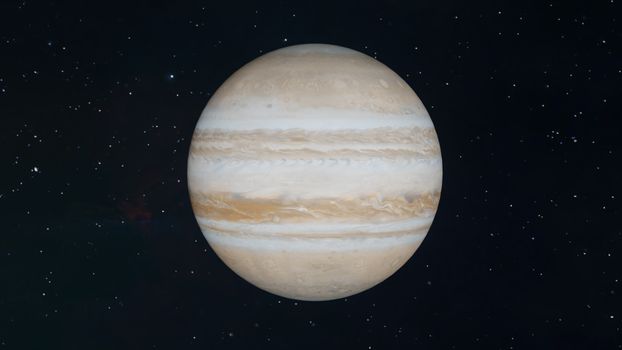
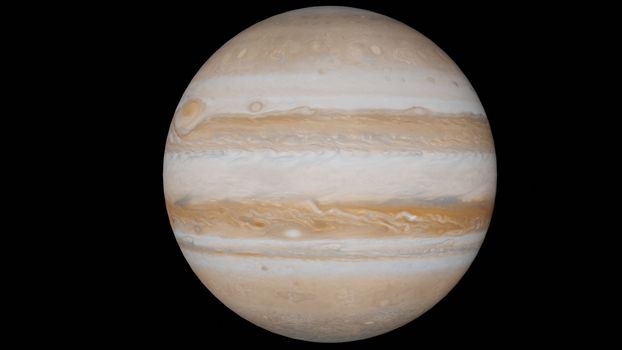
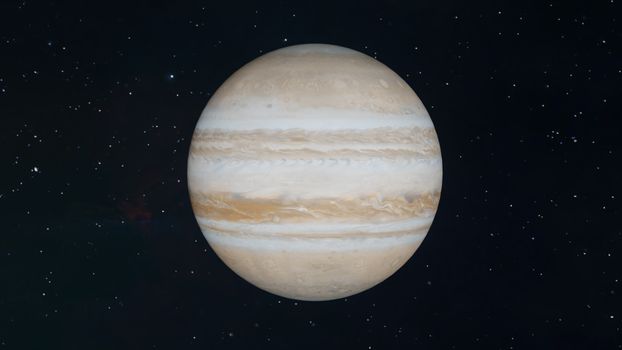
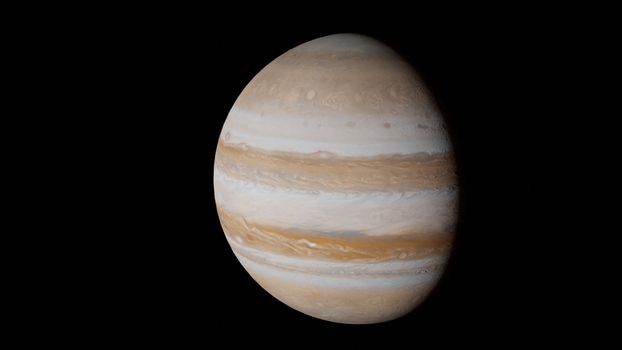
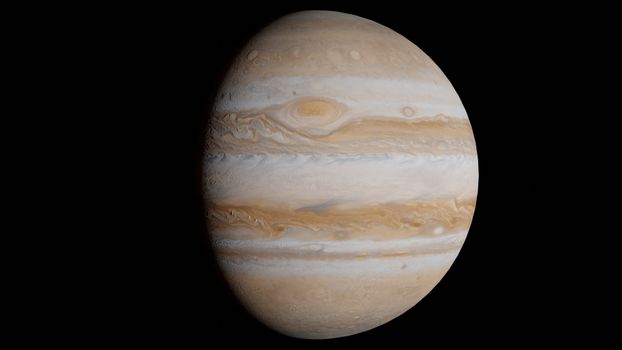
Jupiter, the largest planet in our solar system, is famous not just for its colossal size and swirling storms, but also for its powerful magnetosphere—the bubble of magnetic influence that surrounds the planet. Far more than a planetary oddity, Jupiter’s magnetosphere is a dynamic and complex system, shaping the environment of space around it in ways that impact everything from its own moons to the broader flow of charged particles through the outer solar system. Understanding Jupiter’s magnetosphere is crucial for scientists studying planetary systems, magnetic fields, and the habitability of moons far from the Sun.
Let’s explore how Jupiter’s magnetosphere works, what sets it apart, and the profound effects it has on its surroundings.
The Basics: What Is Jupiter’s Magnetosphere?
A magnetosphere is a region of space dominated by a planet’s magnetic field, acting as a protective shield against the solar wind—a stream of charged particles ejected by the Sun. While Earth’s magnetosphere stretches tens of thousands of kilometers into space, Jupiter’s is truly colossal. The size of Jupiter’s magnetosphere fluctuates with the strength of the solar wind, but on average, it extends up to 7 million kilometers toward the Sun and trails outward in a vast windsock-shaped tail that can stretch as far as Saturn’s orbit, nearly 650 million kilometers away.
.png)
Jupiter’s magnetic field is generated by the movement of metallic hydrogen deep within its interior. The planet spins rapidly, completing a rotation in just under 10 hours, which amplifies its magnetic dynamo. This results in a field strength at the cloud tops of about 4.3 gauss—more than 10 times stronger than Earth’s surface magnetic field.
Key facts: - Jupiter’s magnetosphere is the largest object in the solar system after the Sun. - Its magnetic field is 20,000 times stronger than Earth’s when measured at comparable distances from the center. - The volume of Jupiter’s magnetosphere could fit all the other planets combined.Comparing Magnetospheres: Jupiter vs. Earth and Others
To truly grasp the scale and power of Jupiter’s magnetosphere, it helps to compare it with those of other planets. Here’s a data overview:
| Planet | Magnetic Field Strength at Surface (Gauss) | Typical Magnetosphere Size (Sunward, km) | Unique Features |
|---|---|---|---|
| Jupiter | 4.3 | Up to 7,000,000 | Largest in solar system, strong radiation belts, influences moons |
| Earth | 0.25 - 0.65 | ~60,000 | Protects biosphere, drives auroras |
| Saturn | 0.2 | ~1,200,000 | Symmetric field, less intense than Jupiter |
| Mercury | ~0.003 | ~1,500 | Small, offset from planet’s center |
| Mars | None global | Local crustal fields only | Patchy, weak protection |
Jupiter’s magnetosphere dwarfs all others, both in strength and extent. Its unique composition and rotation rate make it a “magnetic superpower,” exerting influence far beyond what’s seen around any other planet.
Radiation Belts: A Hostile Environment for Spacecraft and Moons
One of the most remarkable—and hazardous—features of Jupiter’s magnetosphere is its intense radiation belts. These are regions where charged particles, primarily electrons and ions, are trapped by the planet’s magnetic field, whizzing around at nearly the speed of light. The radiation environment near Jupiter is the harshest in the solar system, outside of the Sun itself.
For example, the radiation dose a spacecraft receives passing through Jupiter’s inner belts can be equivalent to over 1,000 times the lethal dose for a human. Even robust spacecraft like NASA’s Galileo and Juno required special shielding and still experienced electronic glitches due to the relentless bombardment.
Jupiter’s four largest moons—Io, Europa, Ganymede, and Callisto—are all embedded within its magnetosphere for much or all of their orbits. Io, the innermost, is especially affected, as it orbits through the densest part of the radiation belts. This environment has several dramatic effects: - Io’s surface is constantly bombarded, contributing to its volcanic activity. - Europa’s icy shell is irradiated, possibly affecting the chemistry of its subsurface ocean. - Ganymede, uniquely, has its own mini-magnetosphere within Jupiter’s.These interactions not only shape the moons’ surfaces and atmospheres but also influence their potential for life and the planning of future exploration missions.
Electrodynamic Interactions: Jupiter, Its Moons, and Space Weather
Jupiter’s magnetosphere is not a static structure—it is a dynamic, electrically charged environment. The most spectacular example of this is the “Io-Jupiter circuit.” As Io moves through Jupiter’s magnetic field, it acts as a generator, creating an electric current of about 5 million amperes—enough to power a small city for years. This current flows along magnetic field lines, creating powerful auroras at Jupiter’s poles, far more intense than those on Earth.
Auroras on Jupiter can be thousands of times brighter than Earth’s northern lights and are produced not just by solar wind, but by the flow of particles from Io and other moons. These auroral displays, observed in ultraviolet and X-ray wavelengths by telescopes and spacecraft, are a vivid indication of the energetic processes occurring within the magnetosphere.
Jupiter’s rotating magnetosphere also generates its own “space weather,” including magnetic storms, particle bursts, and waves that accelerate particles to immense energies. These phenomena can affect spacecraft, disrupt radio communications, and even influence the electrical environment of Jupiter’s moons.
Shaping the Solar System: Jupiter’s Magnetosphere as a Cosmic Shield and Sculptor
Beyond its immediate neighborhood, Jupiter’s magnetosphere plays a crucial role in shaping the broader space environment of the outer solar system. Because it is so large, the magnetosphere acts as a shield, deflecting much of the solar wind and cosmic radiation that would otherwise impact the space near Jupiter and its moons.
In addition, the magnetospheric tail—sometimes called the “magnetotail”—extends millions of kilometers behind Jupiter, interacting with the solar wind and potentially affecting material as far away as the orbit of Saturn. This tail can trap and redirect charged particles, influencing the distribution of plasma and dust in the outer solar system.
Jupiter’s magnetic field also captures and accelerates particles from comets, asteroids, and interplanetary space, sometimes leading to the formation of “magnetospheric storms” that have ripple effects throughout the region. In this way, Jupiter’s magnetosphere acts both as a guardian and a dynamic sculptor of its cosmic neighborhood.
Why Jupiter’s Magnetosphere Offers Clues to Other Worlds
Studying Jupiter’s magnetosphere doesn’t just help us understand our own solar system—it also provides a window into the workings of exoplanets and distant cosmic environments. Many “hot Jupiters”—giant planets orbiting close to other stars—are thought to have intense magnetic fields. By unraveling the mysteries of Jupiter’s magnetosphere, scientists gain insight into the potential for magnetic shielding, auroras, and radiation belts on these distant worlds.
Moreover, the lessons learned from Jupiter help guide the search for habitable environments. For example, understanding how Jupiter’s magnetosphere affects Europa and Ganymede’s subsurface oceans is crucial for assessing whether life might exist beneath their icy shells. The interplay of magnetic fields, radiation, and water is a universal theme in the search for life beyond Earth.
Final Reflections: The Ongoing Legacy of Jupiter’s Magnetosphere
Jupiter’s magnetosphere is a marvel of planetary science: vast, powerful, and endlessly dynamic. It shapes the fates of its moons, challenges spacecraft, and serves as a natural laboratory for understanding magnetic fields across the universe. As missions like Juno continue to probe its secrets and plans for exploring Jupiter’s moons advance, our knowledge of this magnetic giant will only deepen.
Whether protecting its neighborhood from cosmic hazards or dazzling astronomers with its auroral displays, Jupiter’s magnetosphere is a reminder of the profound forces at work in our solar system. Its study not only illuminates the workings of our own planetary backyard but also inspires our quest to understand the cosmos as a whole.