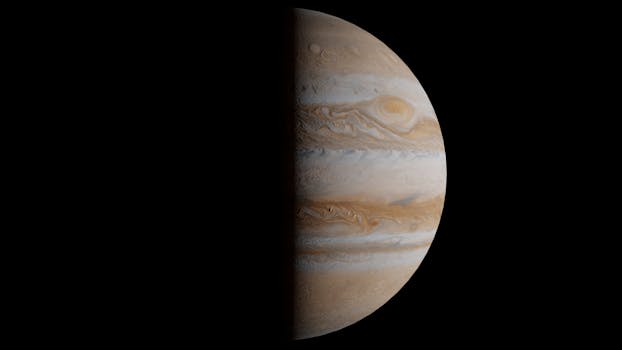
Jupiter, the behemoth of our solar system, holds the title for having the most intense magnetic field among the planets, a feature that has captivated the curiosity of astronomers and physicists worldwide. This magnetic field is not just a larger version of Earth's but is exceptionally powerful and complex, offering a unique window into the magnetic phenomena across the universe.
Exploration Methods
Investigating Jupiter's magnetic field is no small feat and requires sophisticated technology and innovative approaches. Key among these is the use of spacecraft missions designed specifically for magnetic field detection. NASA's Juno spacecraft, which entered Jupiter's orbit in 2016, plays a pivotal role in these studies. Equipped with fluxgate magnetometers, Juno provides high-resolution measurements directly from the environment surrounding Jupiter.
.png)
Additionally, astronomers employ ground-based telescopes and observatories to study the auroras on Jupiter. These auroras, much like Earth’s northern lights, are caused by the interaction of the magnetic field with charged particles from the Sun, and their study offers indirect insights into the magnetic field's strength and structure.
Advantages and Disadvantages of Different Approaches
Each method employed to study Jupiter’s magnetic field comes with its own set of advantages and drawbacks. Space missions like Juno offer unparalleled detail and accuracy in the data collected directly from the source. However, these missions require extensive funding, advanced technology, and carry a high risk due to the harsh conditions of space and the distance from Earth.
On the other hand, ground-based observations are more economical and can be conducted over longer periods. These methods, however, suffer from limitations due to atmospheric interference and the indirect nature of the data collected, which can affect the resolution and completeness of the magnetic field measurements.
Practical Examples
The insights gleaned from Juno have dramatically enhanced our understanding of Jupiter’s magnetic field. For instance, Juno's data revealed that the magnetic field has various anomalies and is not symmetrical, suggesting a complex and dynamic interior beneath Jupiter’s clouds. These findings challenge previous models and prompt new questions about the movement and behavior of metallic hydrogen inside the planet, a key component in the generation of Jupiter’s magnetic field.
Conclusion
The exploration of Jupiter’s magnetic field is a compelling example of how space and ground-based methodologies can be combined to enrich our understanding of planetary phenomena. Despite the challenges and limitations inherent in each method, the ongoing research continues to peel back the layers of mystery surrounding Jupiter’s magnetic properties. As we refine our technologies and deepen our exploratory efforts, we edge closer to not only uncovering the secrets of Jupiter’s internal workings but also to broader implications for magnetic field studies across the solar system and beyond. This progressive unveiling not only enriches our knowledge of planetary science but also enhances our understanding of fundamental physical processes in the universe.