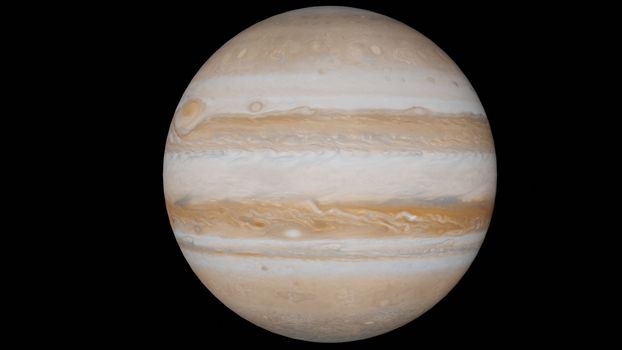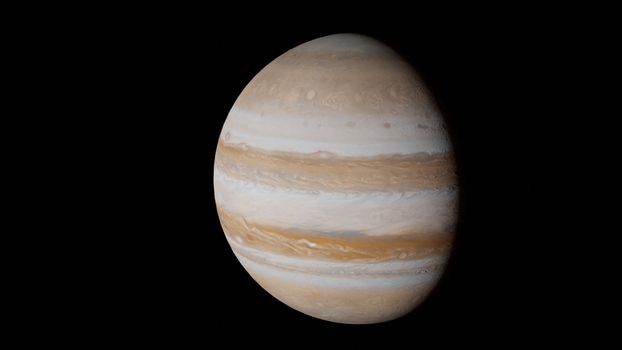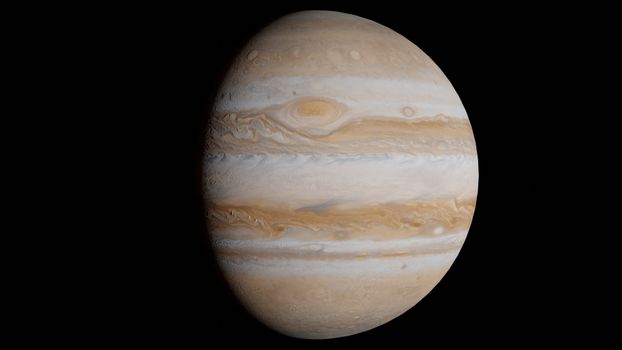
Jupiter: The Role of the Gas Giant in Mythology
Jupiter, the largest planet in our solar system, has fascinated humans since antiquity. Its brilliant presence in the night sky inspired awe and curiosity, leading ancient civilizations to weave it into their myths, legends, and religious beliefs. From the mighty Roman god to the thunderous Greek Zeus and beyond, Jupiter’s mythological influence stretches across time and cultures. This article explores Jupiter's pivotal role in human mythology, highlighting its symbolic meaning, its connection to power and kingship, and its enduring legacy in modern culture.
The Celestial Beacon: Jupiter’s Visibility and Early Significance
Long before telescopes revealed Jupiter’s swirling storms and multitude of moons, ancient stargazers recognized it as one of the brightest objects in the sky. Jupiter's apparent magnitude can reach -2.94, making it the fourth brightest celestial body after the Sun, Moon, and Venus. Its consistent brilliance and slow movement against the backdrop of stars made it a prominent and mysterious presence.
Babylonian astronomers, as early as the 7th century BCE, tracked Jupiter’s movements and associated it with their chief god, Marduk. The planet’s 12-year orbital cycle through the zodiac was noted, linking it to cycles of leadership and fate. In China, astronomers called Jupiter the "Year Star," as its position marked the passage of years and helped structure their calendar system. The planet’s regularity and prominence in the sky naturally aligned it with themes of order, authority, and continuity in ancient cosmologies.
.png)
Jupiter in Roman and Greek Mythology: King of the Gods
Perhaps the most well-known mythological association of Jupiter is with the chief deities of the Roman and Greek pantheons. In Roman mythology, Jupiter (from the Latin "Iuppiter") was the king of the gods, ruler of the sky, and wielder of thunderbolts. His Greek counterpart, Zeus, held similar authority and was equally revered as the most powerful Olympian.
Jupiter’s mythological attributes included:
- Supreme authority over gods and humans - The power to control weather, especially storms and lightning - The role as upholder of justice, law, and social orderThe Romans envisioned Jupiter as a majestic figure, often depicted with a scepter and eagle, symbols of his sovereignty. Temples dedicated to Jupiter, such as the grand Temple of Jupiter Optimus Maximus on Rome’s Capitoline Hill, served as vital religious and political centers. The reverence for Jupiter reflected the importance of hierarchy and law in Roman society.
In Greek mythology, Zeus’s narrative was filled with dramatic tales of power struggles, judgments, and punishments. His thunderbolts were both weapons and symbols of divine authority, reinforcing his role as the ultimate arbiter.
Symbolism and Influence Across Cultures
Jupiter’s association with kingship, justice, and the heavens was not limited to Rome and Greece. The planet’s imposing presence led various cultures to assign it roles of great significance.
In Hindu tradition, Jupiter is known as Brihaspati, the guru of the gods, representing wisdom and eloquence. Brihaspati is invoked for guidance, learning, and spiritual growth. In Mesopotamia, as previously noted, Jupiter was linked to Marduk, the patron deity of Babylon, symbolizing power, creation, and order.
The table below provides an overview of Jupiter’s mythological identities in different cultures:
| Culture | Deity/Name | Role & Symbolism |
|---|---|---|
| Roman | Jupiter | King of the gods, justice, thunder, law |
| Greek | Zeus | King of the gods, sky, thunder, order |
| Babylonian | Marduk | Supreme deity, creation, order |
| Hindu | Brihaspati | Guru of the gods, wisdom, guidance |
| Chinese | Sui Star | “Year Star”, calendar, cosmic order |
These mythological roles highlight recurring themes: leadership, wisdom, and the harmonious functioning of the cosmos. Jupiter’s prominence in the sky made it a natural symbol for divine authority and guidance.
Jupiter’s Symbolic Legacy: Justice, Power, and Protection
The symbolic weight of Jupiter in mythology extends beyond ancient stories. Throughout history, the planet and its associated deities have been invoked to represent justice, kingship, and protection.
In Roman society, Jupiter’s image adorned coins, standards, and public buildings, reinforcing the emperor’s authority and the rule of law. The phrase "By Jove!"—a reference to Jupiter—entered the English language as an exclamation, underscoring the god’s association with oaths and solemn declarations.
In astrology, Jupiter is considered the "Greater Benefic," associated with growth, prosperity, and good fortune. Its 12-year journey through the zodiac is believed to influence cycles of opportunity and expansion in human affairs. Even in modern times, naming conventions for spacecraft (such as NASA’s Juno mission) and scientific projects draw upon Jupiter’s mythological identity as a figure of grandeur and oversight.
Jupiter’s mythological legacy continues to influence literature, art, and popular culture. From Renaissance paintings depicting Zeus’s exploits to contemporary novels and films that invoke the might of the god, Jupiter’s archetype endures as a symbol of ultimate power and cosmic order.
Comparing Jupiter to Other Mythological Planets
Jupiter is not the only planet with deep mythological roots. Ancient cultures assigned deities to all of the visible planets, each with unique attributes and symbolism. Comparing Jupiter to its planetary peers highlights its elevated status in myth.
| Planet | Roman Deity | Greek Deity | Key Attributes |
|---|---|---|---|
| Jupiter | Jupiter | Zeus | King, justice, thunder, order |
| Mars | Mars | Ares | War, aggression, strength |
| Venus | Venus | Aphrodite | Love, beauty, fertility |
| Mercury | Mercury | Hermes | Communication, travel, commerce |
| Saturn | Saturn | Cronus | Time, agriculture, discipline |
Jupiter’s association with kingship and cosmic order set it apart from the other planetary deities. While Mars embodied war and Venus represented love, Jupiter reigned supreme as the guardian of justice and the enforcer of divine law.
Jupiter in Art, Literature, and Modern Imagination
The mythological Jupiter has inspired countless works of art and literature throughout history. In ancient Rome, statues of Jupiter adorned temples and public spaces, often showing him with an eagle or thunderbolt. Artists like Michelangelo and Rubens brought scenes from Jupiter and Zeus’s myths to life in magnificent frescoes and paintings.
Literature, both classical and modern, has drawn upon Jupiter’s mythos. Shakespeare refers to Jupiter in several plays, using the god’s authority to elevate themes of fate and justice. In Dante’s "Divine Comedy," Jupiter appears as a symbol of divine justice in the sphere of heaven.
Modern science fiction and fantasy works frequently borrow Jupiter’s name and attributes. The gas giant’s grandeur and mystery make it a fitting backdrop for stories of cosmic adventure and divine power. Films, television shows, and novels continue to reinvent Jupiter’s mythological identity, ensuring its place in the collective imagination.
Jupiter’s Enduring Mythological Impact
From the earliest skywatchers to today’s cultural creators, Jupiter has served as a symbol of power, wisdom, and cosmic order. Its mythological identity as king of the gods gave structure to ancient beliefs about the universe and the forces that govern it. Across civilizations, Jupiter’s presence in the sky inspired stories of leadership, justice, and protection—values that remain relevant in our world.
By exploring Jupiter’s role in mythology, we gain insight into how ancient peoples understood their place in the cosmos and how those stories continue to shape our culture. The gas giant’s legacy is a testament to humanity’s enduring fascination with the heavens and the search for meaning in the stars.