Jupiter's Role in Astrology: Fact or Fiction?
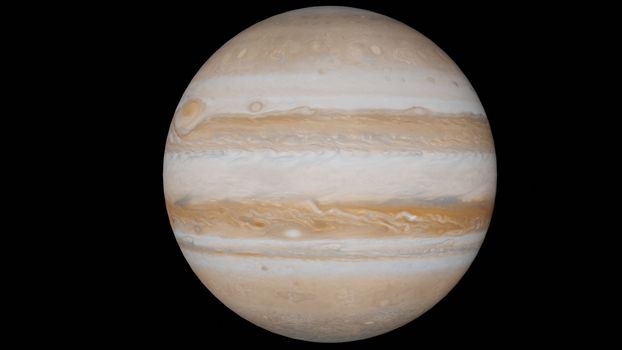
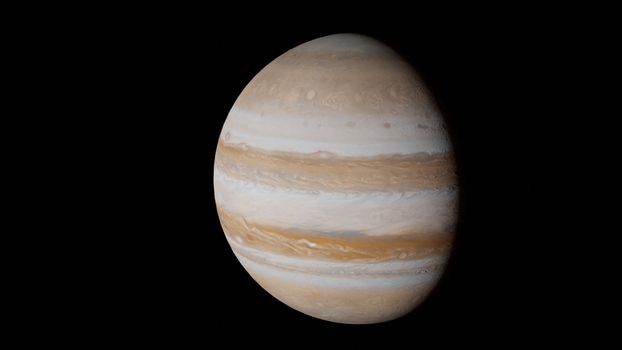
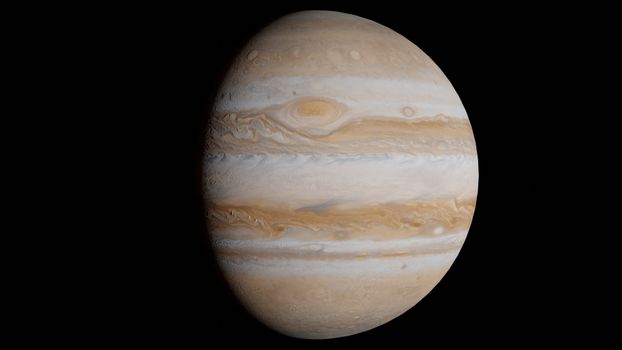
Jupiter, the largest planet in our solar system, has fascinated astronomers and astrologers alike for centuries. While its swirling storms and stunning moons captivate scientists, Jupiter also holds a special place in the mystical realm of astrology. In astrological traditions, Jupiter is known as the "Great Benefic," symbolizing luck, expansion, and wisdom. But how much of Jupiter's reputed influence is grounded in fact, and how much is rooted in folklore or pseudoscience? Let’s delve into Jupiter’s role in astrology, examine what science says, and explore why this gas giant continues to loom large in the human imagination.
The Astrological Significance of Jupiter
In Western astrology, each planet is said to govern certain aspects of life and personality. Jupiter, named after the Roman king of the gods, is associated with growth, prosperity, abundance, and learning. Astrologers claim that the position of Jupiter in a birth chart (the map of planetary positions at the time of a person's birth) reveals where an individual might experience good fortune, optimism, and personal development.
Jupiter spends about 12 months in each zodiac sign, taking roughly 12 years to complete its journey through the entire zodiac. This cycle underpins the concept of the "Jupiter return," a significant astrological event occurring every 12 years in a person’s life, believed to signal new growth or opportunity.
.png)
Astrologers also link Jupiter to:
- Higher education and wisdom - Foreign travel and exploration - Law, philosophy, and religion - Generosity and moral valuesFor example, someone with Jupiter in Sagittarius (the sign it traditionally rules) might be described as adventurous, optimistic, and philosophical.
Historical Roots: Jupiter in Ancient Astrology
The reverence for Jupiter in astrology is not a modern concept. Its roots stretch back to ancient civilizations. In Babylonian astronomy, Jupiter was associated with Marduk, a god of creation and justice. The Romans named the planet after their chief deity, paralleling the Greek god Zeus.
Ancient astrologers observed Jupiter’s slow movement across the sky and noticed its brightness. They associated its grandeur with themes of kingship, fortune, and divine favor. In Chinese astrology, Jupiter’s 12-year orbit aligned with the 12 animal signs of their zodiac, further cementing its role in marking cycles of time and fate.
By the Middle Ages, Jupiter’s astrological symbolism was woven into medical and philosophical texts. The planet was believed to influence the liver, blood, and even the weather. These ideas persisted for centuries, shaping how people interpreted both personal destinies and world events.
Jupiter’s Physical Influence: Science vs. Astrology
While astrology attributes personality traits and life events to Jupiter’s placement, science paints a very different picture of the planet’s influence on Earth and its inhabitants.
Jupiter is massive—more than 1,300 times the volume of Earth and 318 times its mass. Its powerful gravity helps protect the inner solar system by diverting or absorbing asteroids and comets, a role that may have been crucial to Earth’s development. Studies suggest that Jupiter has deflected countless space rocks that might otherwise have struck our planet.
But can Jupiter’s position in the sky at the moment of your birth really affect your personality or fortune? Scientific studies have repeatedly failed to find evidence supporting a causal link between planetary positions and human behavior. The gravitational force of Jupiter on a newborn baby, for example, is minuscule compared to everyday objects nearby, like the doctor delivering the baby.
Instead, Jupiter’s real, measurable influence is primarily gravitational and environmental, not personal or psychological.
Astrological Claims vs. Scientific Evidence: A Side-by-Side Comparison
To clarify the distinctions between astrological claims and scientific facts about Jupiter’s influence, let’s compare key attributes in the table below.
| Aspect | Astrological Claim | Scientific Evidence |
|---|---|---|
| Personality Influence | Jupiter’s placement at birth shapes optimism, luck, and growth | No empirical evidence; studies show no correlation with personality |
| Life Events | Jupiter returns mark periods of opportunity every 12 years | Life milestones occur, but no link to planet’s orbit established |
| Physical Impact | Influences health, weather, and fate | Strong gravitational field protects from asteroids, but no direct impact on individuals |
| Cycle and Timing | 12-year cycle aligns with human development phases | Coincidental; human development not tied to planetary orbits |
This comparison highlights the divide between belief and evidence, underscoring why Jupiter’s role in astrology is a matter of debate.
Why Do People Still Believe in Jupiter’s Astrological Power?
Despite the lack of scientific backing, millions continue to consult their horoscopes and attribute meaning to Jupiter’s movements. Why does belief in Jupiter’s astrological influence persist?
1. $1: Astrology provides a framework for understanding life’s challenges and opportunities. The idea that a benevolent planet like Jupiter can bring luck or growth is reassuring, especially during uncertain times. 2. $1: Astrology has been embedded in human societies for millennia. Family, media, and tradition reinforce these beliefs, making them part of one’s worldview. 3. $1: People tend to remember events that confirm their beliefs and overlook contradictions. If someone experiences a stroke of luck during their Jupiter return, they may credit the planet, dismissing unrelated factors. 4. $1: Humans are natural storytellers. Jupiter embodies qualities we admire—generosity, wisdom, exploration. Projecting these onto a visible, majestic planet enriches our narratives about personal growth.Jupiter in Modern Astrology: New Perspectives and Criticisms
Astrology is not a static practice; it evolves with cultural shifts and new interpretations. In recent decades, astrologers have incorporated modern psychological theories, blending archetypes and symbolism rather than strict fate.
Some astrologers now view Jupiter less as a bringer of luck and more as a symbol of how we seek meaning, purpose, and growth. This shift aligns astrology more closely with personal introspection than with predicting external events.
At the same time, skepticism has grown. Surveys show that while 29% of Americans believe in astrology (according to a 2017 Pew Research Center report), scientific literacy has also increased, leading more people to question astrological claims.
Prominent critics, including astronomers like Carl Sagan and Neil deGrasse Tyson, have pointed out that planetary positions at birth have no measurable effect on an individual’s life. Their arguments emphasize critical thinking and the importance of evidence-based beliefs.
Jupiter: Symbolic Power or Scientific Reality?
Jupiter remains a symbol of wonder, both in the night sky and in the pages of astrological texts. Whether viewed through a telescope or a horoscope, it represents humanity’s quest for meaning, safety, and growth.
From a scientific standpoint, Jupiter’s true power lies in its physical properties: its massive size, magnetic field, and role as a cosmic shield. These attributes have likely shaped the history of our solar system and may have helped make life on Earth possible.
From an astrological perspective, Jupiter continues to inspire, offering a lens through which people interpret fortune, learning, and expansion. While the evidence doesn’t support claims of planetary influence on individual lives, the enduring appeal of Jupiter in astrology speaks to our need for symbols and stories that help us make sense of the universe.