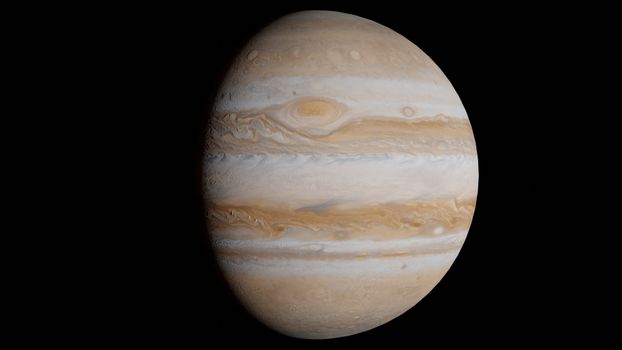
Living on Jupiter, a massive and mysterious gas giant, is a tantalizing concept for both scientists and the general public. Though the practical realization of this idea remains in the realm of science fiction, exploring the theoretical aspects can provide valuable insights into our capabilities and future in space exploration. This article delves into what life on Jupiter might entail, the potential methods for achieving it, and the technological hurdles that stand in the way.
Understanding Jupiter’s Environment
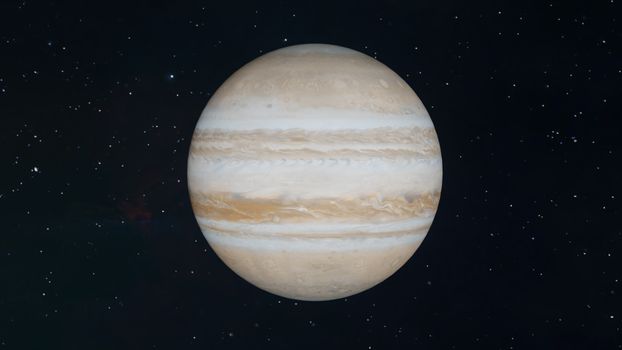
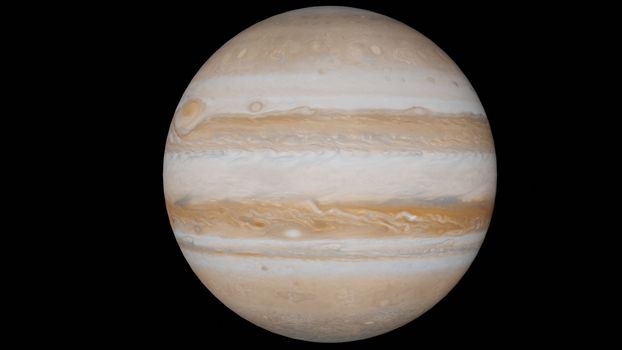
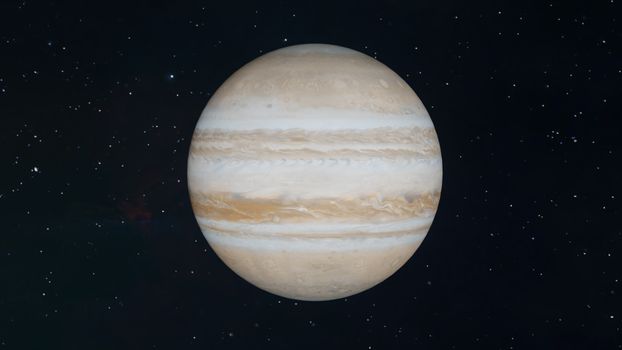
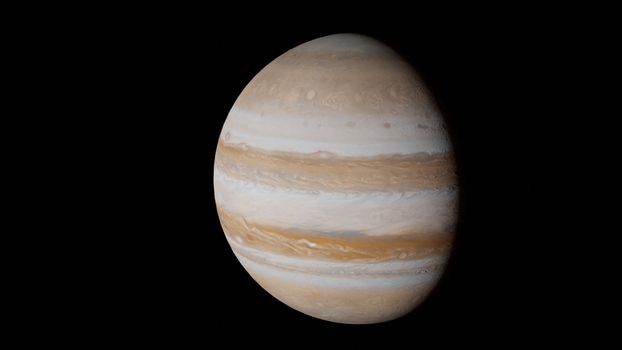
Jupiter, characterized by its colossal size and distinct swirling cloud bands, is primarily made up of hydrogen and helium. Unlike Earth, it doesn't have a solid surface; instead, the planet is a vast ocean of gases that grow denser and hotter as one dives deeper into its core. The extreme conditions, including intense atmospheric pressure and temperatures, create an environment that is incredibly hostile to life as we know it.
.png)
Theoretical Approaches to Life on Jupiter
- Floating Habitats:
- Concept: Engineers and scientists have proposed the idea of floating habitats that could reside within the upper layers of Jupiter’s atmosphere. These structures would need to be incredibly robust, designed to withstand the planet's severe storms and atmospheric dynamics.
- Implementation: Such habitats could utilize the abundant solar energy available in space and potentially use the planet's own hydrogen as a power source.
- Robotic Explorers:
- Concept: Since the harsh conditions of Jupiter make human colonization currently unfeasible, robotic explorers represent a more practical approach. These machines would be designed to endure the extreme pressures and corrosive atmosphere.
- Implementation: Robots could collect data, conduct experiments, and maybe even search for signs of microbial life in the more temperate layers of the atmosphere.
Comparing the Approaches
Advantages:
- Floating Habitats: These could facilitate prolonged research missions, potentially leading to continuous human presence in Jupiter’s atmosphere.
- Robotic Explorers: Robots are ideal for risky environments as they can explore without jeopardizing human lives, offering invaluable data and insights directly from the planet.
Disadvantages:
- Floating Habitats: The technological, logistical, and financial challenges associated with constructing and maintaining such habitats are immense.
- Robotic Explorers: The extreme conditions of Jupiter pose significant challenges in designing robots that can operate effectively without succumbing to the planet’s harsh environment.
Practical Examples
The NASA Juno mission exemplifies current exploratory efforts geared towards Jupiter. Launched in 2011, Juno has been pivotal in enhancing our understanding of Jupiter, from its gravitational field to its magnetic environment and weather patterns. The spacecraft’s suite of scientific instruments allows it to peer beneath the cloudy exterior, offering clues about the planet's structure and composition.
Conclusion
While the concept of living on Jupiter is speculative and not feasible with today's technology, it drives the scientific community to push the boundaries of what is possible. Exploring Jupiter, whether through robotic missions like Juno or theoretical habitats, continues to provide valuable information about our solar system's formation and the potential for life in extreme environments. As technology advances, our dreams of one day touching the skies of Jupiter might edge closer to reality, illuminating a path to the stars.