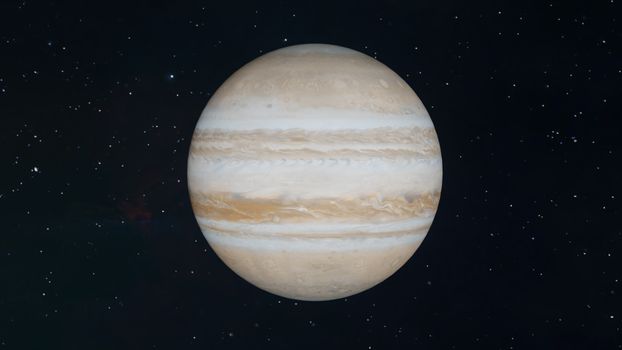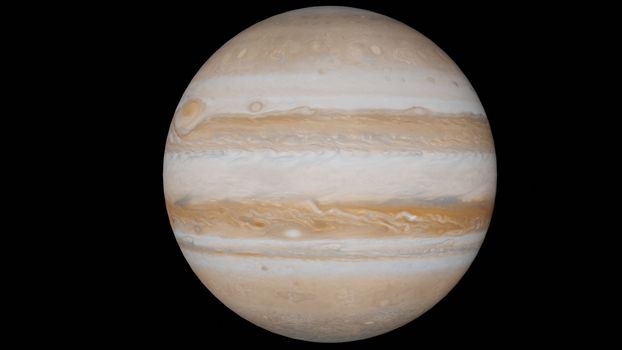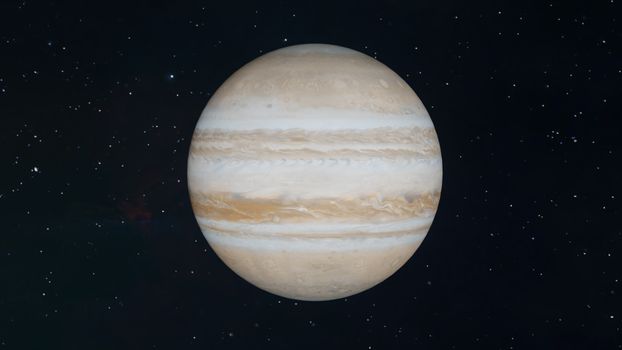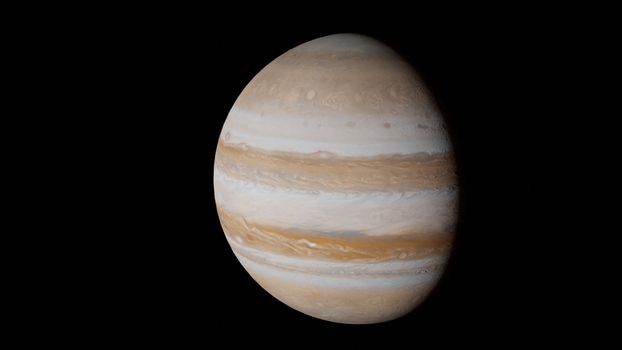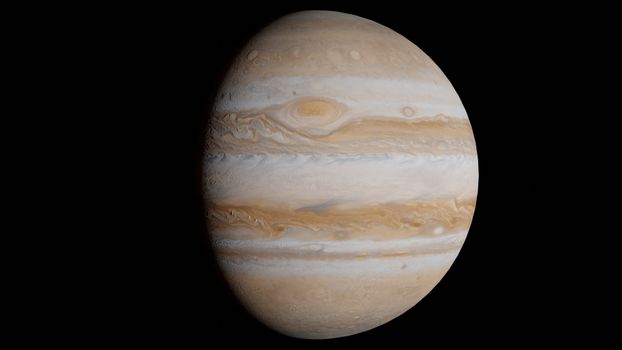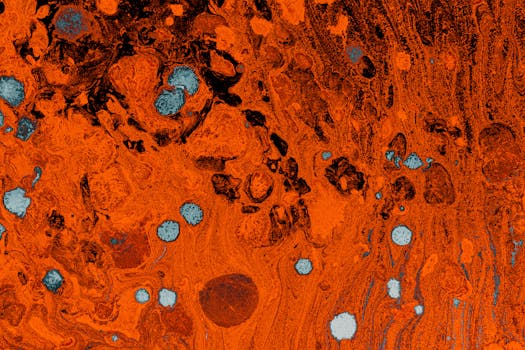
Jupiter's atmospheric lightning remains one of the most captivating natural phenomena in our solar system. Unlike Earth's familiar water-based thunderstorms, the gas giant's lightning storms are born from a cocktail of hydrogen, helium, and ammonia, creating a spectacle that is both alien and mesmerizing. This exploration delves into the mechanics of Jupiter's lightning, its discovery, the prevailing theories about its origins, and the implications this has for our broader understanding of planetary atmospheres.
Discovery and Initial Observations
The discovery of lightning on Jupiter dates back to the Voyager 1 spacecraft's flyby in 1979. This was a monumental finding, as it provided the first concrete evidence of lightning occurring on another planet, highlighting the diversity of weather phenomena throughout our solar system. Subsequent missions, including Voyager 2 and the more recent Juno spacecraft, have provided further insights, capturing more detailed images and data.
.png)
Mechanisms of Jupiter’s Lightning
The mechanisms that drive Jupiter's lightning are fundamentally different from those on Earth. Here's a deeper look at the main theories:
- Deep Water Cloud Theory
Similar to Earth, this theory suggests that Jupiter's lightning is generated within water clouds deep in the atmosphere. The process is thought to be driven by the convection currents that transport warmer fluids upwards and cooler ones downwards, eventually leading to the separation of charges and the generation of lightning. The primary advantage of this theory is its simplicity and its parallel to terrestrial lightning. However, it does not fully account for the frequency and distribution patterns of lightning on Jupiter, which are observed to be significantly different from those on Earth.
- Ammonia Cloud Theory
This theory proposes that lightning on Jupiter may occur in the upper layers of ammonia clouds. The friction between moving ammonia ice particles could generate static electricity, eventually leading to lightning discharges. This theory can potentially explain the higher altitude at which lightning seems to occur on Jupiter compared to Earth. However, it requires more complex modeling and is less understood than the water cloud theory.
Implications and Practical Examples
The practical study of Jupiter's lightning has been greatly enhanced by data from modern spacecraft. Juno, in particular, has made significant contributions with its suite of sensitive instruments designed to probe Jupiter's atmosphere. By measuring the electromagnetic signatures and the spectral composition of the light from lightning flashes, Juno helps refine our understanding of where and how these lightning storms occur.
Conclusion
Studying Jupiter's lightning is crucial for more than just satisfying human curiosity. It plays a key role in understanding the atmospheric dynamics of gas giants, both in our own solar system and in exoplanets orbiting distant stars. This research not only broadens our knowledge of Jupiter itself but also enriches our understanding of planetary science as a whole.
In conclusion, while the phenomenon of Jupiter's lightning is complex and not yet fully understood, it offers a fascinating glimpse into the dynamic atmospheric processes of the solar system's largest planet. As missions like Juno continue to gather data and technology advances, our understanding of these spectacular natural phenomena will undoubtedly deepen, continuing to challenge and expand our knowledge of the universe.