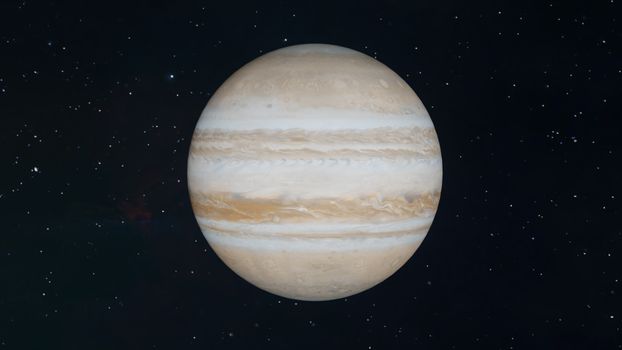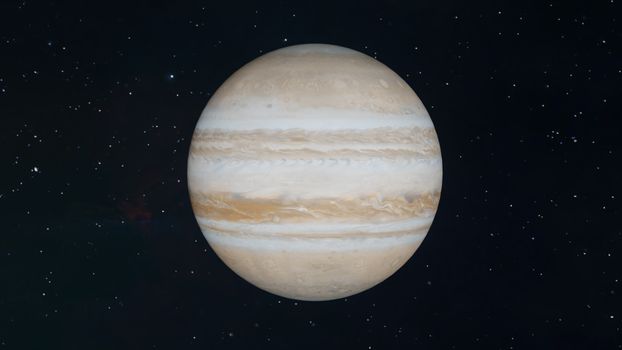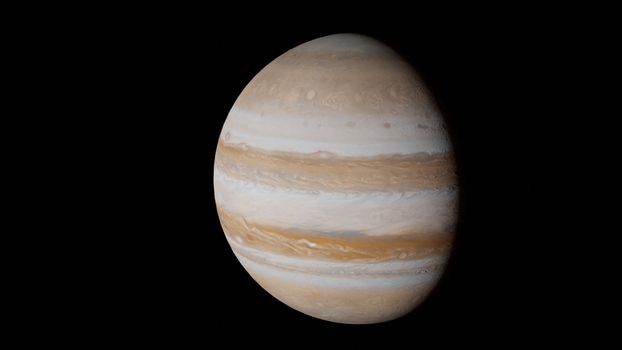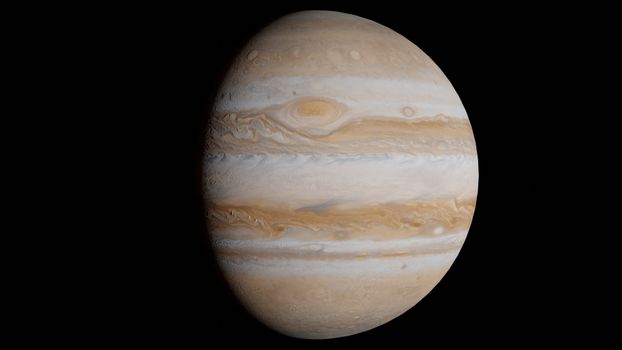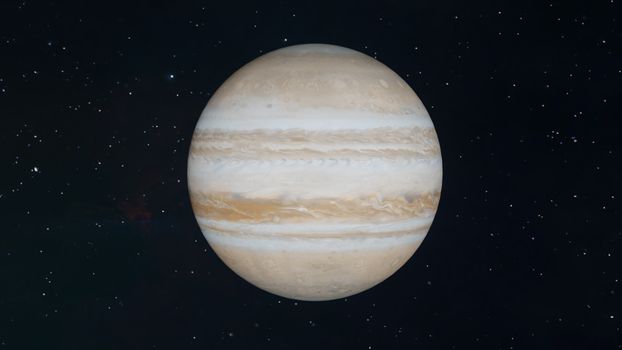
Jupiter is a giant among planets, boasting more than twice the mass of all other planets in the Solar System combined. Its atmosphere is a swirling tapestry of hydrogen, helium, storms, and powerful magnetic fields. But Jupiter’s influence isn’t confined to itself—its immense atmosphere and magnetosphere also shape the environment and even the climate of its numerous moons. With over 90 known moons, including the famous Galilean satellites—Io, Europa, Ganymede, and Callisto—Jupiter’s reach extends far and wide. But what exactly is the impact of Jupiter's atmosphere on the climate conditions of its moons? Let’s dive into the cosmic interplay between the gas giant and its diverse lunar companions.
The Mighty Jupiter: More Than Just a Planet
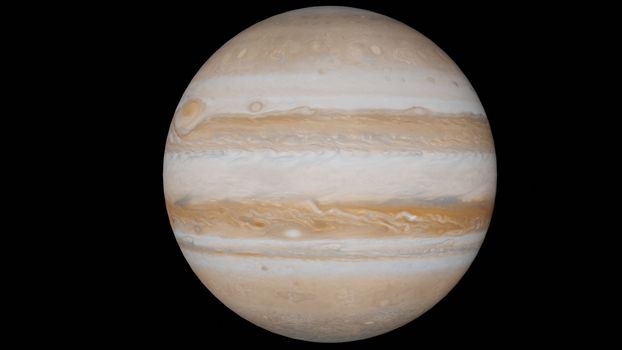
Jupiter’s atmosphere is a colossus in its own right, stretching over 5,000 kilometers (3,100 miles) deep and composed primarily of hydrogen (about 90%) and helium (about 10%), with traces of methane, ammonia, water vapor, and other chemicals. This atmosphere isn’t just deep—it’s dynamic, generating winds that can reach up to 620 kilometers per hour (385 miles per hour) and storms that dwarf the size of Earth, such as the iconic Great Red Spot.
But Jupiter's atmospheric influence doesn't stop at its cloud tops. The planet also possesses the most powerful magnetosphere in the entire Solar System, extending up to 7 million kilometers (over 4 million miles) toward the Sun and stretching nearly as far as Saturn’s orbit on the opposite side. This gigantic magnetic bubble traps particles, creates intense radiation belts, and interacts with the atmospheres and surfaces of Jupiter’s moons.
.png)
Jupiter’s Radiation Belts: A Hostile Environment for Moons
One of the most dramatic impacts of Jupiter’s atmosphere is the intense radiation it generates. As Jupiter’s rapid rotation and powerful magnetic field accelerate charged particles (primarily electrons and ions), these particles become trapped in vast radiation belts encircling the planet. The radiation levels within these belts are thousands of times more intense than those found in Earth’s Van Allen belts.
For Jupiter’s moons, especially the innermost Galilean satellites, this radiation is a major environmental factor:
- Io, the closest large moon, receives an estimated 3,600 rems of radiation per day—enough to kill a human in minutes. - Europa receives about 540 rems per day, while Ganymede and Callisto, being farther out, experience much less intense radiation.This radiation environment is a direct result of Jupiter’s atmospheric and magnetic activity. On the surfaces of these moons, this means rapid degradation of materials, alteration of surface chemistry, and for any potential future missions, a serious challenge for electronics and human explorers.
Atmospheric Particles and Plasma Torus: Shaping Moon Surfaces
Jupiter’s volcanic moon, Io, is a unique example of atmospheric interaction. Io is the most volcanically active body in the Solar System, largely due to tidal heating caused by Jupiter’s gravity. But its thin atmosphere, primarily sulfur dioxide, is constantly bombarded by particles from Jupiter’s magnetosphere.
As Io’s volcanoes spew gases into space, these gases are quickly stripped away by Jupiter’s powerful magnetic field, forming a doughnut-shaped cloud of plasma known as the Io plasma torus. This torus encircles Jupiter at Io’s orbit and is composed of ionized sulfur and oxygen atoms. These particles, energized by Jupiter’s magnetosphere, rain down onto the surfaces of other moons, especially Europa, altering their chemical makeup.
For example, the reddish-brown streaks on Europa’s icy surface are believed to be related to sulfur compounds originating from Io, transported and deposited by Jupiter’s atmospheric and magnetic activity.
Comparing the Climates: Galilean Moons under Jupiter’s Influence
Jupiter’s atmosphere and magnetosphere affect each Galilean moon differently, depending on their distance from the planet, surface composition, and internal activity. The table below summarizes key differences in their climate conditions influenced by Jupiter’s atmospheric effects:
| Moon | Distance from Jupiter (km) | Main Surface Composition | Radiation Level (rems/day) | Atmospheric Influence |
|---|---|---|---|---|
| Io | 421,700 | Volcanic rock, sulfur | 3,600 | Severe particle bombardment, plasma torus formation |
| Europa | 671,100 | Water ice | 540 | Sulfur deposition, altered surface chemistry |
| Ganymede | 1,070,400 | Ice, silicate rock | 8 | Moderate radiation, magnetic field interaction |
| Callisto | 1,882,700 | Ice, rock | 0.01 | Minimal, largely shielded |
As seen in the table, Io and Europa are most affected by Jupiter’s atmospheric and magnetic activity, while Callisto, the farthest of the Galilean moons, experiences relatively little direct impact.
Jupiter’s Aurorae: Illuminating the Night on Its Moons
Jupiter’s atmosphere produces some of the most spectacular aurorae in the Solar System. These aurorae, visible at the planet’s poles, are created when charged particles from the magnetosphere collide with atmospheric gases, causing them to glow. Unlike Earth’s aurorae, which are powered by solar wind, Jupiter’s aurorae are largely driven by the planet’s own rotation and the interaction with its moons.
For the moons, especially Io, Europa, and Ganymede, this means that their orbits take them through regions of intense electromagnetic activity. These interactions can induce electric currents in the moons themselves and even generate their own aurorae:
- Ganymede, the only moon with its own magnetic field, produces mini-aurorae in its thin atmosphere. - Europa’s tenuous oxygen atmosphere glows faintly as it interacts with Jupiter’s magnetic field.Not only do these auroral interactions heat the upper atmospheres of the moons, but they also contribute to atmospheric escape and erosion, influencing the long-term evolution of their climates.
Jupiter’s Shadow: Tidal Heating and Subsurface Oceans
Jupiter’s influence extends below the surfaces of its moons as well. The powerful gravitational pull of the gas giant, combined with the orbital resonances between the Galilean moons, creates tidal forces that flex and heat their interiors. While this is not a direct effect of Jupiter’s atmosphere, the atmospheric-driven magnetosphere enhances these effects by bombarding the moons’ surfaces and possibly affecting subsurface chemistry.
The most tantalizing result is the possibility of subsurface oceans on Europa, Ganymede, and possibly Callisto. For Europa, in particular, the combination of tidal heating and surface radiation from Jupiter’s atmosphere may provide the energy needed to keep an ocean liquid beneath its icy crust—one of the prime locations in the Solar System in the search for extraterrestrial life.
Implications for Habitability and Future Exploration
The climate conditions on Jupiter’s moons are largely hostile by Earth standards, thanks to the extreme radiation, volatile surface chemistry, and cold temperatures. However, these same processes may also create unique niches for life, especially in shielded environments beneath the surface.
For future missions, such as NASA’s Europa Clipper (scheduled to launch in the 2020s) and ESA’s Jupiter Icy Moons Explorer (JUICE), understanding Jupiter’s atmospheric influence is critical. Spacecraft must be designed to withstand the intense radiation, and scientific instruments must be tuned to detect the subtle signs of chemical changes wrought by Jupiter’s atmospheric particles.
Even more, studying the interplay between Jupiter and its moons offers a template for understanding exoplanetary systems, where giant planets may exert similar influences on their own moons, potentially shaping climates far beyond our Solar System.
Final Thoughts on Jupiter’s Atmosphere and Its Moons’ Climates
Jupiter’s atmosphere is far more than a swirling mass of gas—it is a force that shapes the environments and climate conditions of its entire moon system. From intense radiation belts and plasma toruses to auroral displays and tidal heating, the atmospheric and magnetic reach of Jupiter creates a dynamic, ever-changing environment for its moons. While this means harsh conditions for life as we know it, it also opens a window into planetary science, chemistry, and even the possibilities of life in hidden oceans beneath icy crusts. As we continue to explore these distant worlds, the story of Jupiter and its moons remains one of cosmic connection and enduring mystery.