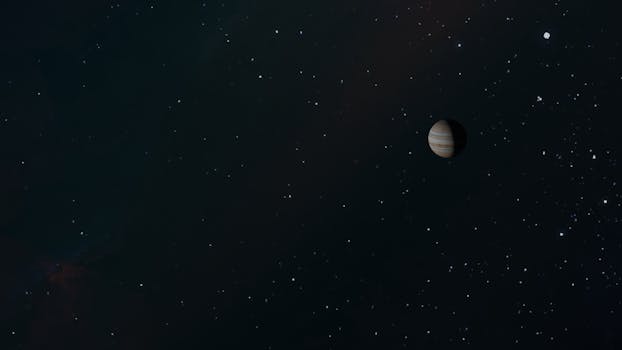
A Voyager’s Guide: Navigating Jupiter’s Stormy Weather
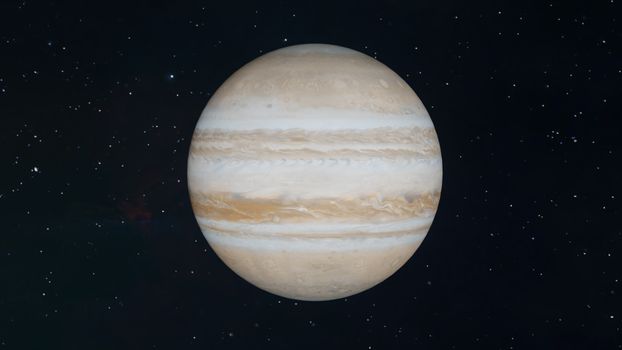
Jupiter, the largest planet in our solar system, is a world of extremes. Its swirling clouds, mesmerizing bands, and legendary storms have fascinated astronomers and space enthusiasts for centuries. But what would it actually mean to traverse this tempestuous world’s atmosphere? For any hypothetical voyager—robotic probe or science fiction adventurer—understanding and navigating Jupiter’s volatile weather is not just a matter of curiosity, but of survival. This guide will take you deep into the heart of Jupiter’s atmospheric chaos, exploring the science, the hazards, and the extraordinary spectacle of its stormy climate.
Jupiter’s Atmospheric Layers: The Foundation of Its Weather
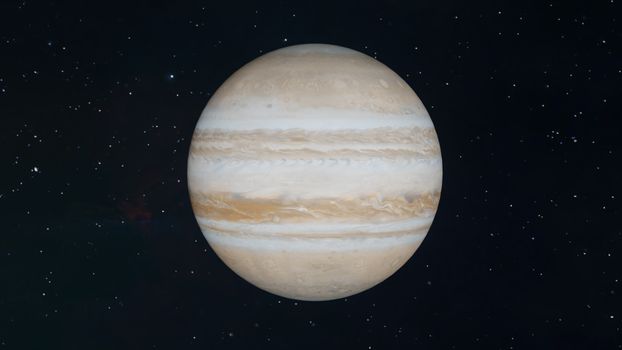
Jupiter’s atmosphere is a colossal, layered system stretching thousands of kilometers deep. Unlike Earth, Jupiter lacks a solid surface, and its weather is driven by heat from its core as much as by sunlight.
The main atmospheric layers are:
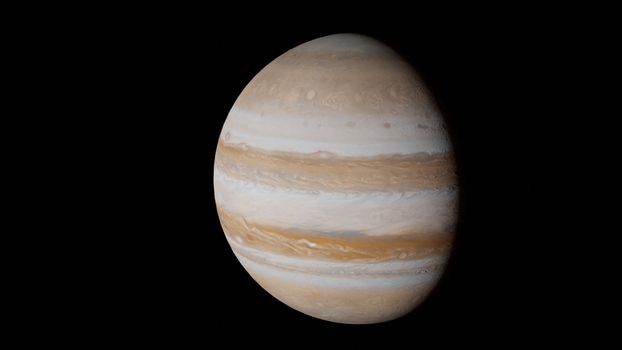
- $1 Extends from the visible cloud tops down about 50 km. This is where most of Jupiter’s weather occurs, including its iconic storms and jet streams. - $1 Above the troposphere, this layer is colder and contains haze particles. - $1 Temperatures rise dramatically here, up to about 1,000°C (1,832°F), due to intense auroral activity. - $1 The thin outermost layer, where atmospheric gases escape into space.Jupiter’s clouds are composed mainly of ammonia, ammonium hydrosulfide, and water, stacked in distinct layers. The planet’s rapid rotation (a day lasts under 10 hours) creates powerful jet streams, causing the familiar banded appearance and fueling atmospheric turbulence.
.png)
The Great Red Spot and Other Legendary Storms
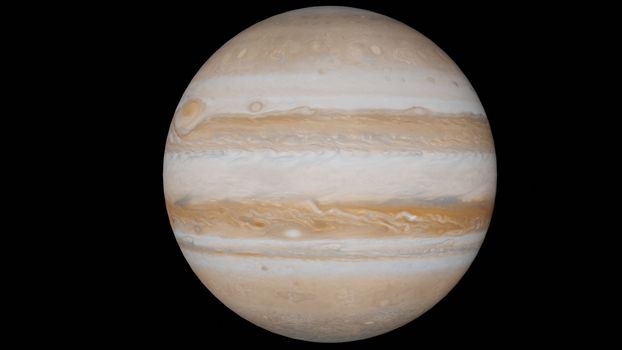
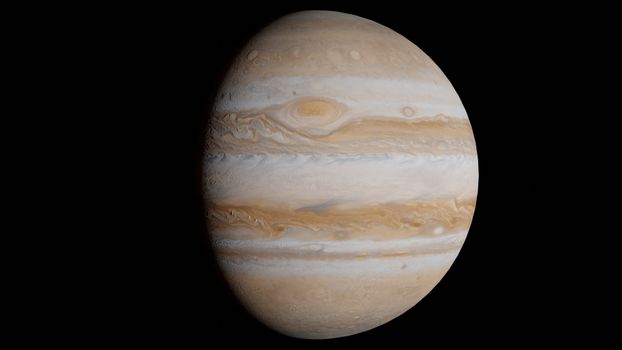
No discussion of Jupiter’s weather is complete without mentioning its most famous feature: the Great Red Spot. This enormous anticyclonic storm has raged for at least 350 years and is big enough to swallow Earth whole—more than 16,000 km (10,000 miles) across as of 2024, though it is slowly shrinking.
But the Great Red Spot is only one of Jupiter’s many tempests. Other notable storms include:
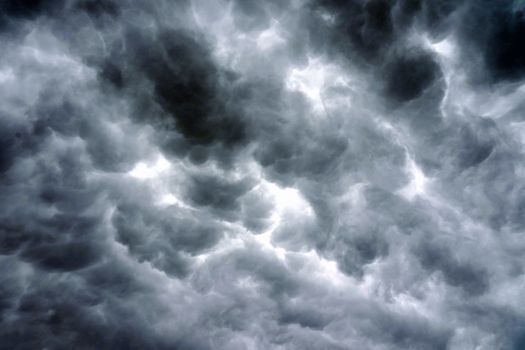
- $1 Discovered in 2000, this storm is about half the size of the Great Red Spot and has also changed color over time. - $1 These are smaller, long-lived storms that can persist for decades. - $1 Jupiter’s thunderstorms produce lightning bolts up to 1,000 times more powerful than those on Earth.Jupiter’s storms can last months, years, or even centuries, depending on their size and location. Wind speeds within these storms can exceed 600 km/h (373 mph), making them some of the most ferocious in the solar system.
How Jupiter’s Weather Compares: A Data Overview
To appreciate the intensity of Jupiter’s weather, it helps to compare it with other planets in our solar system. The following table summarizes key atmospheric and storm characteristics.
| Planet | Atmospheric Thickness (km) | Typical Wind Speeds (km/h) | Largest Storm Size | Storm Duration |
|---|---|---|---|---|
| Jupiter | >5,000 | Up to 620 | 16,000 km (Great Red Spot) | Centuries |
| Earth | ~100 | Up to 400 (tornado) | 2,000 km (Hurricane) | Weeks |
| Saturn | >60,000 | Up to 1,800 | 30,000 km (Great White Spot) | Months |
| Neptune | >1,000 | Up to 2,100 | 13,000 km (Great Dark Spot) | Years |
Jupiter’s storms are unmatched in longevity, and its atmospheric depth dwarfs that of Earth, making its weather systems vast and complex.
Challenges for a Voyager: Hazards in Jupiter’s Atmosphere
For any probe, spacecraft, or hypothetical explorer, Jupiter’s weather presents formidable challenges:
- $1 Atmospheric pressure increases rapidly with depth. At just 100 km below the cloud tops, the pressure is already 10 times that of Earth’s surface. Deeper down, it can reach millions of times Earth’s atmospheric pressure, enough to destroy any known spacecraft. - $1 Jupiter’s powerful magnetic field traps charged particles, creating radiation belts far stronger than Earth’s Van Allen belts. The Juno spacecraft, for example, is exposed to radiation doses equivalent to 100 million dental X-rays over its mission. - $1 The jet streams and storms create extreme shear forces. Any descent probe must withstand wind speeds of over 600 km/h and unpredictable turbulence. - $1 Jupiter’s thunderstorms are not just dramatic—they’re dangerous. The energy released can disrupt electronics and pose threats to any robotic or human explorer. - $1 The atmosphere contains ammonia and hydrogen sulfide, both toxic to humans and corrosive to spacecraft materials.These factors mean that any mission to explore Jupiter’s weather must be meticulously engineered, tested, and shielded—no small feat for even the most advanced space agencies.
Technologies and Strategies for Navigating Jovian Storms
Despite the dangers, spacecraft have already begun to probe Jupiter’s weather. Each mission has provided valuable insights and tested new technologies:
- $1 The only probe to directly enter Jupiter’s atmosphere so far, Galileo survived for 58 minutes, reaching a depth of about 150 km before succumbing to pressure and heat. It transmitted invaluable data on temperature, wind, composition, and lightning. - $1 Instead of plunging into the atmosphere, Juno orbits Jupiter in a highly elliptical path, minimizing time in the intense radiation belts. Its instruments map atmospheric structure, water content, and storm dynamics from above. - $1 Concepts like NASA’s proposed Jupiter Icy Moons Explorer (JUICE) and ESA’s atmospheric entry probes aim to further investigate the planet’s weather, possibly with improved shielding and real-time adaptive navigation.Potential future strategies for navigating Jupiter’s storms include:
- $1 Floating at stable altitudes within the cloud layers, they could ride the jet streams and sample atmospheric chemistry for extended periods. - $1 Special materials and redundant systems help instruments survive the harsh Jovian environment. - $1 AI-assisted navigation could adjust probe trajectories to avoid the most dangerous turbulence or radiation hotspots.These innovations may one day allow us to “surf” the clouds of Jupiter, sending back unprecedented data from within its storms.
The Spectacle: What a Voyager Would See
Imagine yourself as a virtual voyager descending into Jupiter’s atmosphere. The sights are breathtaking and unlike anything on Earth:
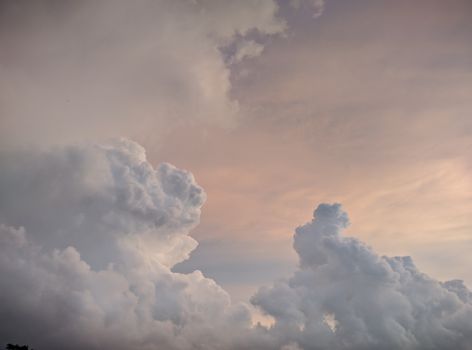
- $1 Ammonia clouds reflect sunlight in shades of white, yellow, and brown, interspersed with orange and red from chemical compounds called chromophores. - $1 Thunderheads can rise up to 100 km (62 miles) tall—ten times the height of Earth’s cumulonimbus clouds. - $1 Night-side lightning illuminates the clouds with brilliant blue-white flashes, sometimes visible from orbit. - $1 Jupiter’s poles glow with powerful auroras, caused by charged particles spiraling along magnetic field lines—much more intense than Earth’s northern and southern lights. - $1 As you descend, the winds pick up, clouds spin in endless cyclones, and the sun fades behind thickening layers, plunging you into darkness and heat.While no human has yet made this journey, telescopes and spacecraft have captured glimpses of these awe-inspiring vistas, fueling our imagination and scientific curiosity.
Why Jupiter’s Stormy Weather Matters for Science and Exploration
Studying Jupiter’s storms is more than a quest for awe. It has practical and scientific significance:
- $1 Jupiter’s weather operates on a scale and with forces far beyond Earth’s, providing a natural laboratory for understanding fluid dynamics, heat transfer, and storm formation. - $1 By comparing Jupiter’s storms with those on other planets, we gain insights into how atmospheres evolve and respond to different conditions. - $1 Jupiter’s weather is linked to its deep interior and heat transport. Studying it helps scientists infer what lies beneath the clouds and how giant planets form and change. - $1 Every bit of knowledge about Jupiter’s weather informs the design of probes and landers, increasing the chances of mission success and safety. - $1 Many discovered exoplanets are gas giants. By decoding Jupiter’s mysteries, we can better interpret the weather and potential habitability of worlds beyond our solar system.In short, navigating Jupiter’s stormy weather is both a technical challenge and a scientific adventure, with far-reaching implications for our understanding of the cosmos.