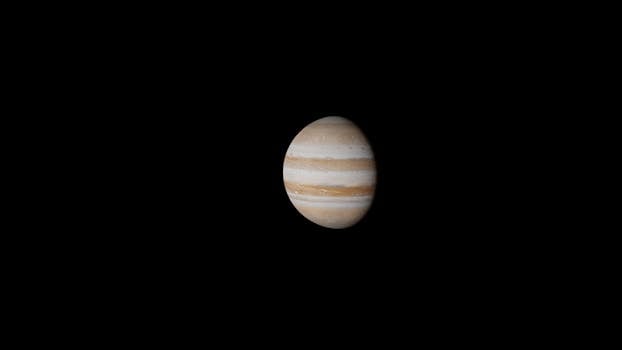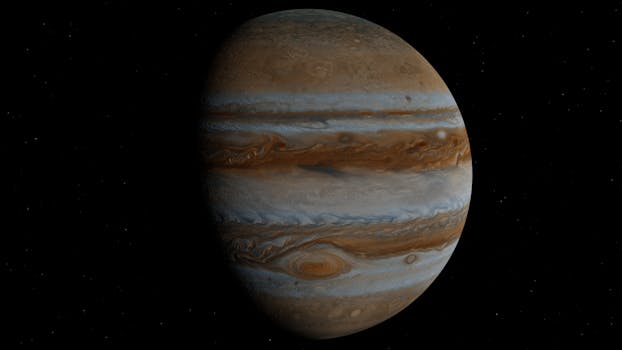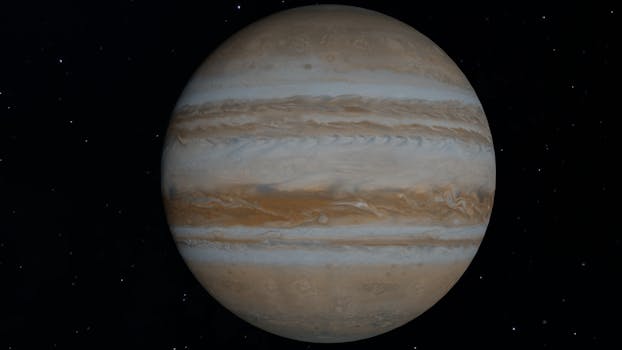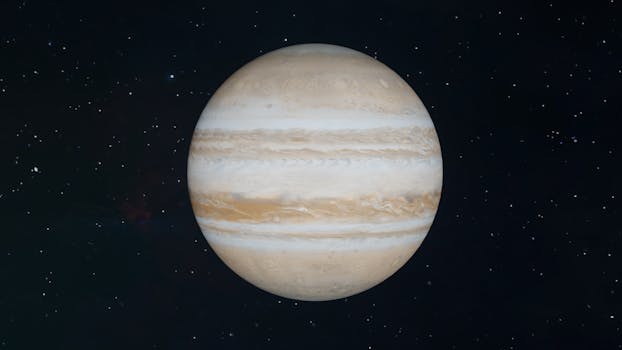
The future of Jupiter exploration is indeed poised for groundbreaking advancements that will deepen our understanding of not only the giant planet itself but also its extensive system of moons, with particular focus on Europa. As we continue to push the boundaries of space exploration, the integration of emerging technologies and international cooperation will be critical in unraveling the complex dynamics of the largest planet in our solar system and potentially discovering signs of extraterrestrial life.
Upcoming Missions and Technologies
Europa Clipper Mission: The much-anticipated Europa Clipper mission by NASA is targeted for a launch in the mid-2020s. Its primary goal is to assess the habitability of Europa, investigating factors such as the thickness of the ice shell, the chemistry of the subsurface ocean, and the geology of the surface. By performing multiple flybys of Europa, the mission aims to capture high-resolution images and gather crucial data that could hint at the moon's potential to support life.
.png)
Technological Innovations: The propulsion and navigation systems of spacecraft are undergoing significant enhancements. For instance, solar electric propulsion, which offers greater efficiency over traditional chemical propulsion, could extend the duration and scope of missions to Jupiter and its moons. Moreover, advancements in artificial intelligence and robotics are expected to increase the autonomy of these spacecraft, enabling them to perform complex tasks and make real-time decisions during missions, which is vital in the unpredictable environment of space.
Potential Future Missions
Direct Exploration of Europa: Building on the data provided by the Europa Clipper, there are proposals for more direct exploration missions, which could include a lander or a subsurface probe. These missions would aim to drill through the ice layer of Europa and directly sample the ocean below, searching for organic compounds or even microbial life. The technical challenges involved are substantial, but the potential scientific rewards are profound.
Jupiter Atmospheric Probes: Another exciting prospect is the deployment of atmospheric probes into Jupiter itself. These probes would dive into Jupiter’s atmosphere, sending back data about its composition, weather patterns, and perhaps even the origins of the Great Red Spot. Such missions could offer unparalleled insights into the meteorological dynamics of the largest planet in our solar system.
International Collaboration and Public Engagement
Global Partnerships: Future missions to Jupiter are likely to involve increased international collaboration. The European Space Agency's JUICE (JUpiter ICy moons Explorer) mission is set to launch in the near future, planning to extensively study not just Europa, but also Ganymede and Callisto. Collaborations like these not only distribute the financial and logistical challenges but also enrich the scientific outcomes through diverse expertise.
Engaging the Public: Enhancing public interest and understanding of Jupiter exploration is crucial for sustaining long-term support for these ambitious missions. Space agencies are employing various strategies, from educational outreach to collaborations with media, to captivate and educate the public about the scientific wonders and potential discoveries that lie in the outer solar system.
Conclusion
The exploration of Jupiter and its moons is entering an exhilarating era. With advanced missions like Europa Clipper on the horizon, enhanced by technological innovations and international partnerships, our knowledge about the Jovian system is set to expand dramatically. These endeavors are not just about exploring distant celestial bodies; they are also about answering fundamental questions about our place in the universe and the possibility of life beyond Earth. The next chapters in Jupiter exploration will undoubtedly rewrite our understanding of the outer solar system.