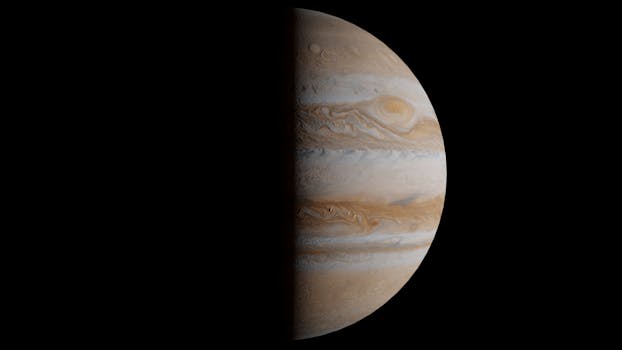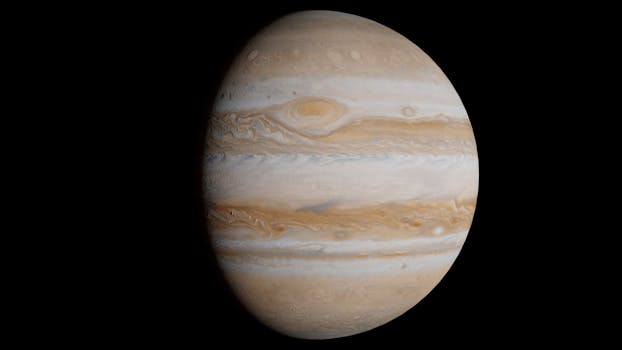
Jupiter’s immense size and gravitational strength have long been recognized as pivotal in shaping various phenomena within our solar system, including the captivating meteor showers we witness on Earth. The role of Jupiter in influencing these showers is multifaceted, affecting everything from the intensity of the events to the safety of our own planet.
Jupiter's Gravitational Influence on Comet and Asteroid Orbits
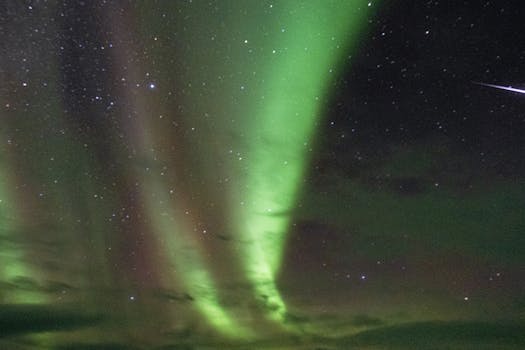
Meteor showers are primarily the result of Earth passing through the debris left by comets and occasionally asteroids. These debris streams, composed of particles ejected from comets as they near the Sun, create the streaks of light in the sky when they burn up in Earth’s atmosphere. The path and density of these streams are heavily influenced by Jupiter’s gravity.
.png)
Jupiter can alter the orbits of comets and asteroids as they navigate through the solar system. This alteration can either increase the density of the debris field—by pulling the comet closer to the Sun, causing it to shed more material—or disperse it, depending on how the celestial bodies interact with Jupiter’s gravitational field. These changes directly affect how spectacular a meteor shower will be when Earth encounters the debris.
Case Studies: Leonids and Perseids
The Leonids, resulting from the debris of Comet Tempel-Tuttle, provide a clear example of Jupiter’s influence. The intensity of this meteor shower can be heightened during periods when Jupiter’s gravitational pull brings the comet closer to Earth’s orbit, leading to denser debris fields and more spectacular meteor displays.
Similarly, the Perseids—originating from Comet Swift-Tuttle—are affected by Jupiter. The gravitational interaction can stretch or compress the debris stream along the comet’s orbit, consequently altering the intensity of the meteor shower observed from Earth.
Jupiter's Protective Role
Beyond influencing meteor showers, Jupiter also serves as a cosmic protector. Its strong gravitational pull can deflect or capture comets and asteroids that might otherwise pose a threat to Earth. This protective function helps regulate the number of potential meteor shower sources and, by extension, the amount of space debris that comes near Earth.
Scientific and Practical Implications
Understanding how Jupiter influences meteor showers is not just about predicting when to look up at the night sky. This knowledge also contributes to our broader understanding of celestial dynamics and the complex gravitational interactions within our solar system. Insights gained from studying Jupiter’s impact on the orbits of comets and asteroids are critical for future space missions and for enhancing our ability to mitigate potential threats from space.
Conclusion
Jupiter’s role in shaping Earth’s meteor showers is a testament to the interconnectedness of celestial bodies within our solar system. By influencing the orbits of comets and asteroids, Jupiter not only determines the visibility and intensity of meteor showers but also helps shield Earth from potential space hazards. This giant planet’s impact is a crucial aspect of both observing and understanding the dynamics that govern our celestial neighborhood.